If you want a Chicago neighborhood that feels lively without feeling overwhelming, Lincoln Square often lands near the top of the list. You may be looking for walkability, easy transit, local businesses, or a more neighborhood-scaled housing mix, and this area checks a lot of those boxes. In this guide, you’ll get a practical look at what daily life is really like in Lincoln Square, from housing and commuting to parks, shopping, and overall vibe. Let’s dive in.
Lincoln Square at a Glance
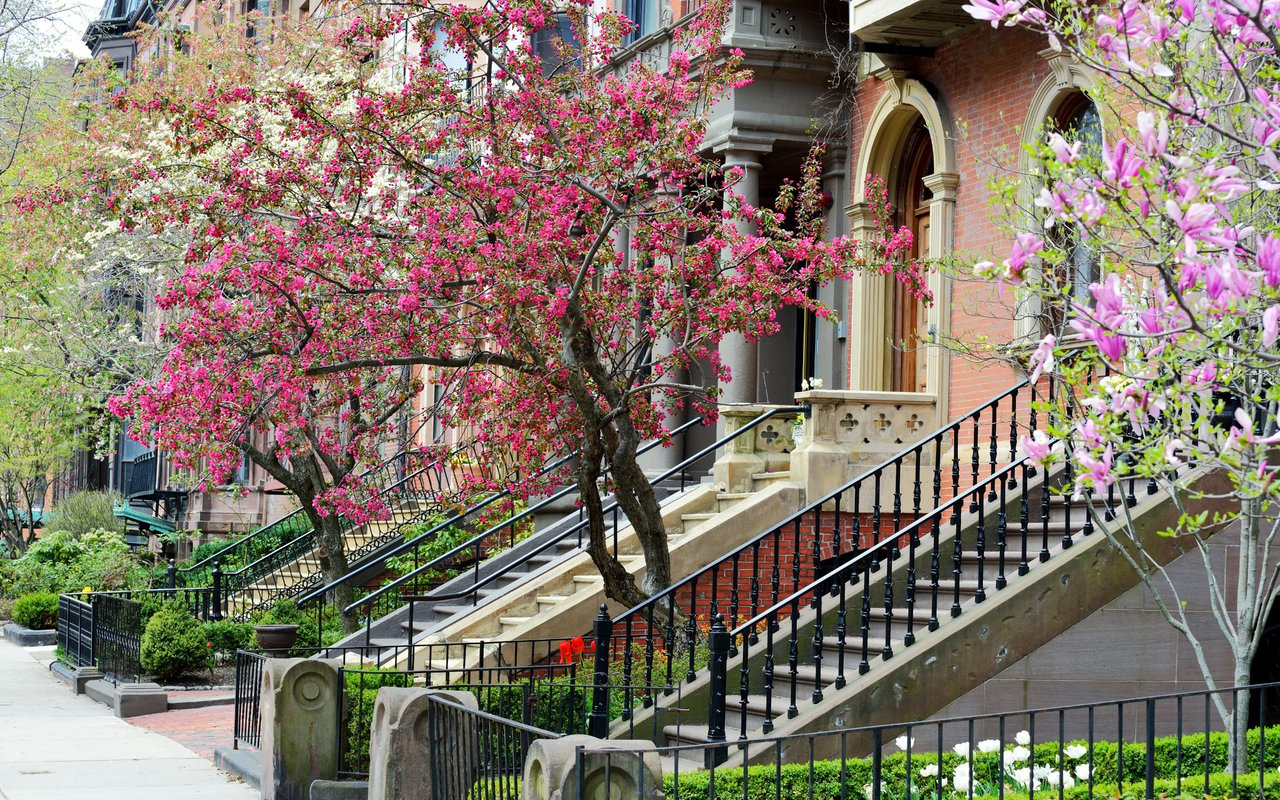
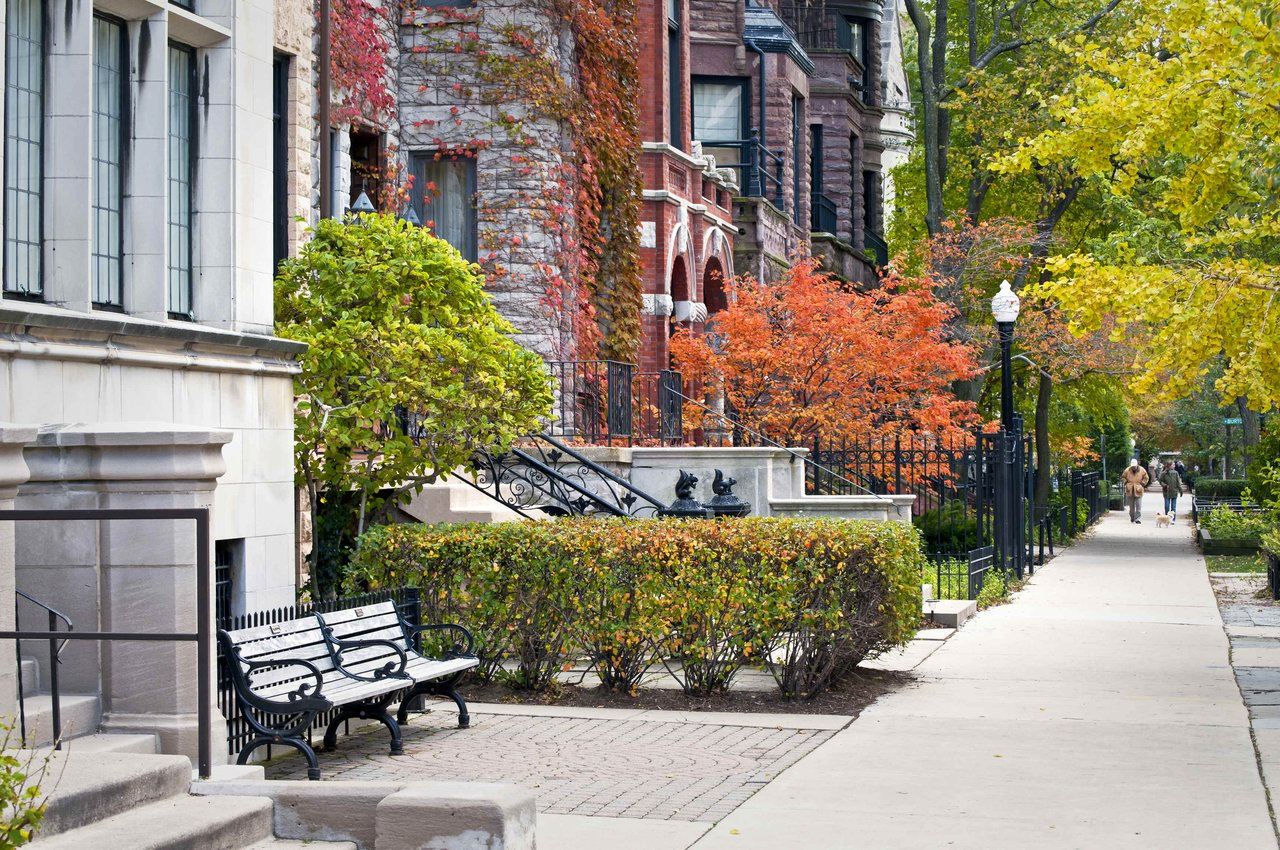
Lincoln Square is one of Chicago’s official community areas, and it stands out for its mix of city convenience and a more relaxed neighborhood feel. Local organizations describe it as having tree-lined residential streets set behind busier commercial avenues, with year-round activity in parks and public spaces.
The numbers help explain that feel. CMAP’s 2019-2023 snapshot reports 41,673 residents, an average household size of 2.1, a median age of 36.2, and a median household income of $93,606. That income figure is above the citywide median of $75,134, and 67.4% of adults ages 25 and up hold a bachelor’s degree or higher.
Households here are varied, which adds to the neighborhood’s broad appeal. CMAP shows 39.2% one-person households, 33.7% two-person households, and 46.9% family households. In other words, Lincoln Square can work for a wide range of lifestyles, whether you’re living solo, buying with a partner, or looking for a place with a more established residential feel.
Daily Life in Lincoln Square
One of the biggest draws of Lincoln Square is how easy it is to handle everyday life close to home. Lincoln Avenue acts as the neighborhood’s main commercial spine, lined with independent shops, cafés, delis, specialty retailers, and restaurants rather than big-box retail.
That local-business focus shapes the whole experience of the neighborhood. Instead of feeling dominated by chains, the area feels more personal and community-oriented, with places you can return to regularly and quickly get to know.
Choose Chicago and the Lincoln Square Ravenswood Chamber highlight a mix of destinations that give the neighborhood its character. You’ll find spots like the Davis Theater, the Old Town School of Folk Music, a bookstore-café, and long-standing German-American landmarks that reflect the area’s history.
The neighborhood also stays active through recurring events. The Chamber points to gatherings such as the Summer Concert Series, Square Roots, and German-American Fest, which help keep public spaces lively throughout the year.
Dining, Shopping, and Local Flavor
If you like neighborhoods where small businesses shape the streetscape, Lincoln Square delivers. The retail mix leans toward independent operators, and that creates a more distinctive experience than you might find in areas built around larger commercial centers.
You can expect a blend of cafés, gourmet restaurants, specialty shops, and everyday services. That makes it practical as well as charming, especially if you value being able to run errands, grab coffee, and meet friends without leaving the neighborhood.
The Lincoln Square Farmers Market adds another useful layer to daily life. In season, it brings more than 50 vendors to the area near Western on Tuesday mornings and Thursday afternoons. For many residents, that kind of routine neighborhood amenity adds to the appeal of living here full time rather than just visiting.
Parks and Outdoor Space
Welles Park is one of Lincoln Square’s strongest lifestyle amenities and a major reason the neighborhood feels so livable. It offers more than just open green space, giving residents a true all-purpose park that supports recreation, play, and gathering.
According to the Chicago Park District, Welles Park includes a fieldhouse, fitness center, baseball and soccer fields, a gazebo, gymnasium, horseshoe pits, picnic grove, playground, pool, and water spray features. The park also includes a 1.23-acre Nature Play Space and pickleball courts added through later improvements.
That range of features matters because it supports different kinds of daily routines. You might use the park for exercise, organized sports, casual afternoons outside, or simply as a place to break up the pace of city life.
Getting Around Lincoln Square
Transit access is one of Lincoln Square’s practical strengths. The CTA Brown Line serves Rockwell, Western, and Damen stations in or near the neighborhood, giving residents multiple options for getting around.
Rockwell is located at 4648 N. Rockwell and is an at-grade station. Western, at 4648 N. Western, is elevated and includes CTA bus connections. Damen, at 4645 N. Damen, is also elevated, offers bus connections, and is a short walk from the Metra Union Pacific North line’s Ravenswood station.
Commuting patterns show that residents use a mix of transportation options. CMAP reports that 23.9% of workers commute by transit, 5.9% walk or bike, 25.0% work from home, and 38.1% drive alone. The mean commute time is 35.6 minutes.
Vehicle ownership data also supports the neighborhood’s walkable, transit-friendly profile. About 23.2% of households have no vehicle available, while 53.1% have one vehicle. That suggests many households can comfortably rely on a combination of walking, transit, biking, and occasional driving.
Lincoln Square Housing Mix
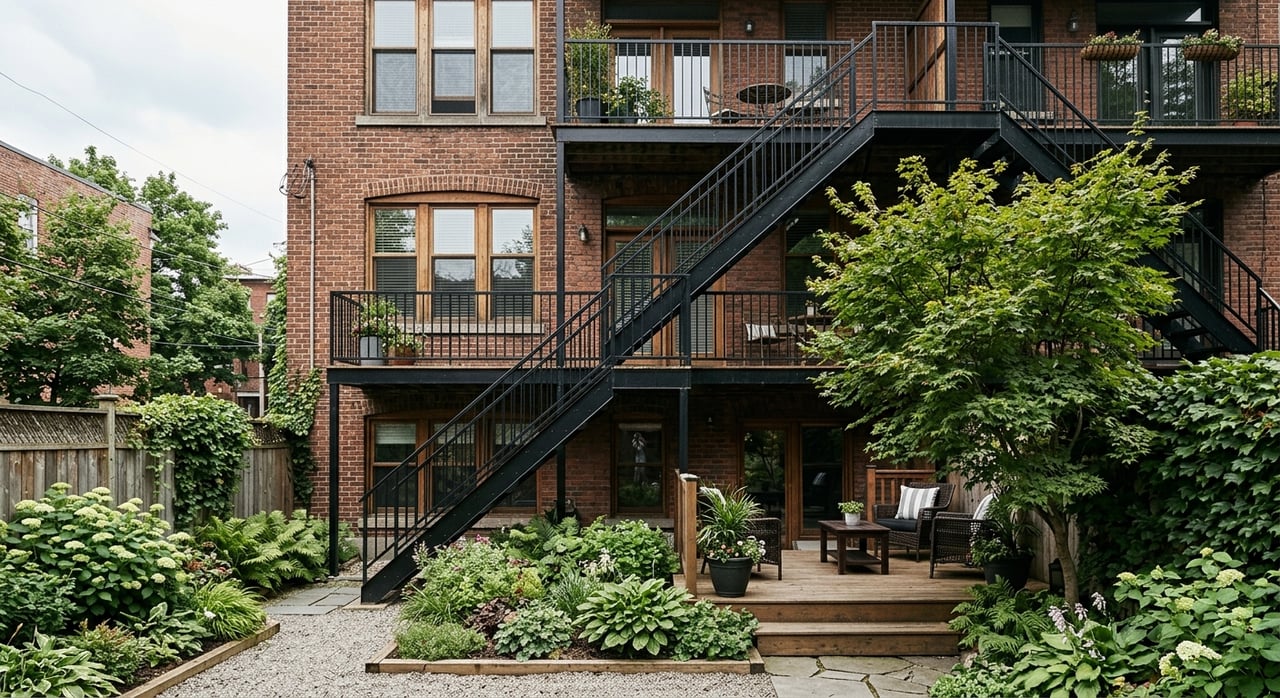
Lincoln Square’s housing stock tends to feel more neighborhood-scaled than tower-heavy. If you picture classic Chicago housing instead of rows of high-rises, that image is much closer to the reality here.
CMAP reports that 59.1% of housing is renter-occupied and 40.9% is owner-occupied. The housing mix includes single-family detached homes at 14.8%, two-flats at 13.6%, three- and four-flats at 20.7%, 5- to 9-unit buildings at 22.0%, 10- to 19-unit buildings at 11.1%, and 20+ unit buildings at 15.7%.
That mix gives buyers and renters several paths into the neighborhood. You’ll see prewar flats, smaller apartment buildings, condo conversions, and some detached homes, which can create more variety in both style and price point than neighborhoods dominated by one housing type.
The area also has deep architectural roots. Nearly half of all housing was built before 1940, and the median year built is 1942. For you, that can mean more vintage character and a built environment that feels established rather than newly manufactured.
Who Lincoln Square May Suit Best
Lincoln Square can be a strong fit if you want a neighborhood that balances convenience with a calmer residential atmosphere. It often appeals to people who want city living without giving up access to green space, local gathering spots, and a more grounded streetscape.
You may especially appreciate Lincoln Square if your priorities include:
- Walkable daily errands
- Independent shops and restaurants
- Access to transit and multiple commute options
- Parks and outdoor recreation
- A housing stock made up of flats, smaller buildings, condos, rentals, and some detached homes
- A neighborhood feel that is active but not overly fast-paced
That said, every buyer, seller, or renter weighs trade-offs differently. Your ideal fit depends on budget, housing style, commute needs, and how much you value local retail and neighborhood-scale living.
What Stands Out Most
What makes Lincoln Square stand out is not just one feature. It is the combination of local businesses, useful transit, active public spaces, and a housing mix that feels distinctly Chicago.
You get a neighborhood where it is possible to build routines close to home. You can grab coffee on Lincoln Avenue, spend time at Welles Park, shop the farmers market in season, and still have practical transit options for commuting across the city.
For many people, that balance is the real draw. Lincoln Square feels connected and active, but it also feels comfortable, established, and easy to settle into over time.
If you’re thinking about buying, selling, or renting in Lincoln Square, working with a team that understands North Side neighborhoods can make your next move much easier. Cadence Realty offers concierge-level guidance backed by local insight, responsive service, and the tools to help you make a confident decision.
FAQs
What is Lincoln Square in Chicago like for everyday living?
- Lincoln Square offers a neighborhood-scaled feel with tree-lined residential streets, a local-business-focused commercial core, parks, seasonal events, and practical transit access.
What kinds of homes are common in Lincoln Square?
- The housing mix includes single-family homes, two-flats, three- and four-flats, smaller apartment buildings, condo conversions, and some larger multi-unit buildings, with much of the housing dating to the prewar era.
Is Lincoln Square a walkable Chicago neighborhood?
- Yes. The neighborhood is known for walkable daily errands, independent shops and restaurants along Lincoln Avenue, nearby parks, and a share of households that live with no vehicle.
How do residents commute from Lincoln Square?
- Residents use a mix of transit, walking, biking, working from home, and driving. The Brown Line serves Rockwell, Western, and Damen, and Damen is also a short walk from the Ravenswood Metra station.
What park amenities are available in Lincoln Square?
- Welles Park includes a fieldhouse, fitness center, sports fields, gymnasium, playground, pool, picnic areas, water spray features, a Nature Play Space, and pickleball courts.
What makes Lincoln Square stand out from other Chicago neighborhoods?
- Lincoln Square stands out for its combination of local retail, cultural destinations, neighborhood events, strong park amenities, transit access, and a built environment made up mostly of lower-rise housing rather than high-rises.