Picture a weekend morning where you stroll to Clark Street for coffee, browse a bookstore, and pick up dinner from a neighborhood spot, all without getting in your car. If that sounds like your kind of city living, Andersonville may be on your shortlist. You want a place that balances walkability, character, and practical commuting. This guide shows you what daily life feels like, the types of homes you’ll find, and the tradeoffs to consider so you can decide if Andersonville fits your lifestyle. Let’s dive in.
Andersonville at a glance
A walkable main street
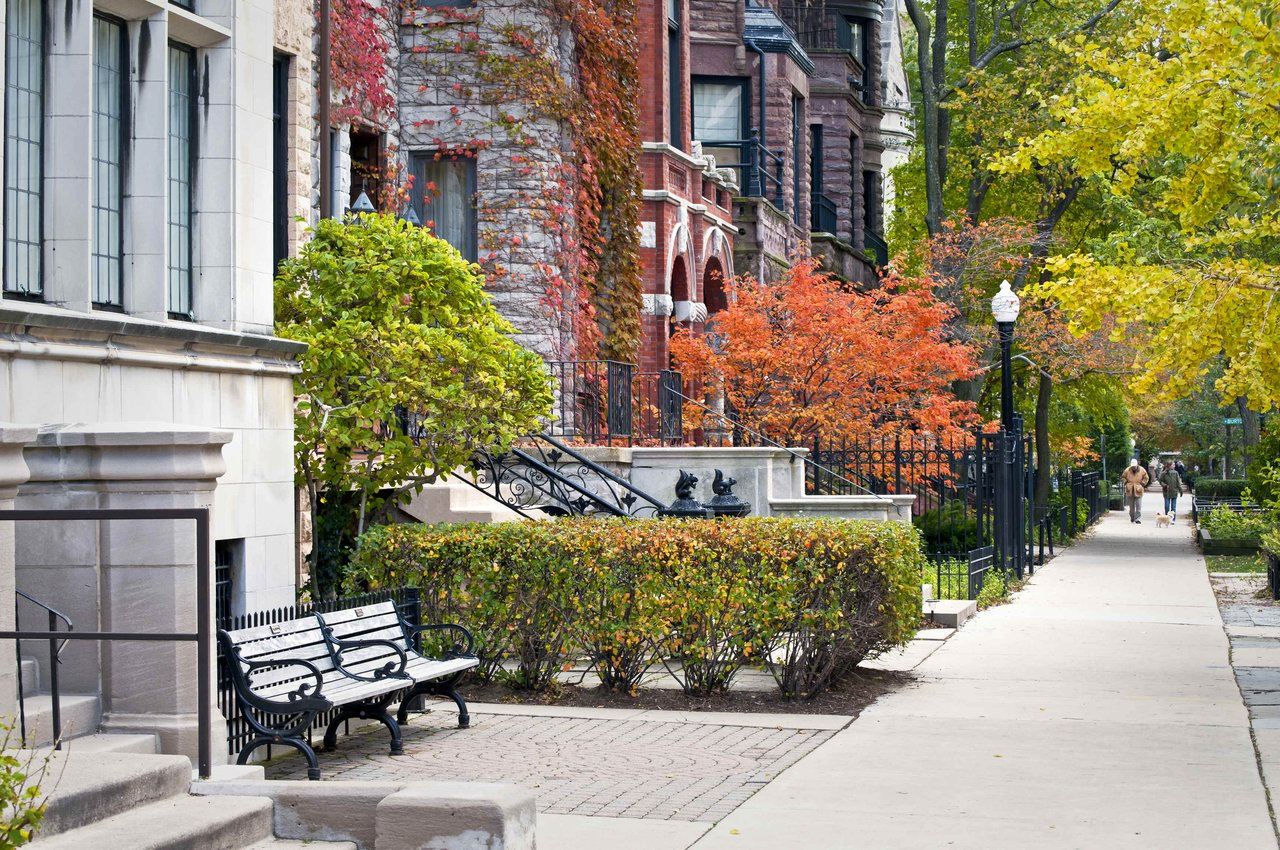
Andersonville centers on Clark Street, a compact, pedestrian‑friendly business district lined with independent shops, cafés, bakeries, and restaurants. The storefronts are human scale, and sidewalk seating gives the street a village feel. One or two blocks off Clark Street, you’ll find quieter residential streets with small apartment buildings and two‑ or three‑flats.
Swedish roots and inclusive vibe
The neighborhood began as a Swedish enclave and still celebrates that heritage with local institutions and Scandinavian‑inspired businesses. Today it is culturally diverse and widely known for welcoming LGBTQ+ residents and visitors. Community events and street festivals are a big part of the calendar, which adds energy throughout the year.
Close to the lakefront
You are a short ride or bike from Lake Michigan beaches and parks in nearby Edgewater. Many residents make the lakefront part of their routine for running, biking, or summer beach days. This access adds outdoor balance to an otherwise urban setting.
Housing and what you’ll find
Common building types
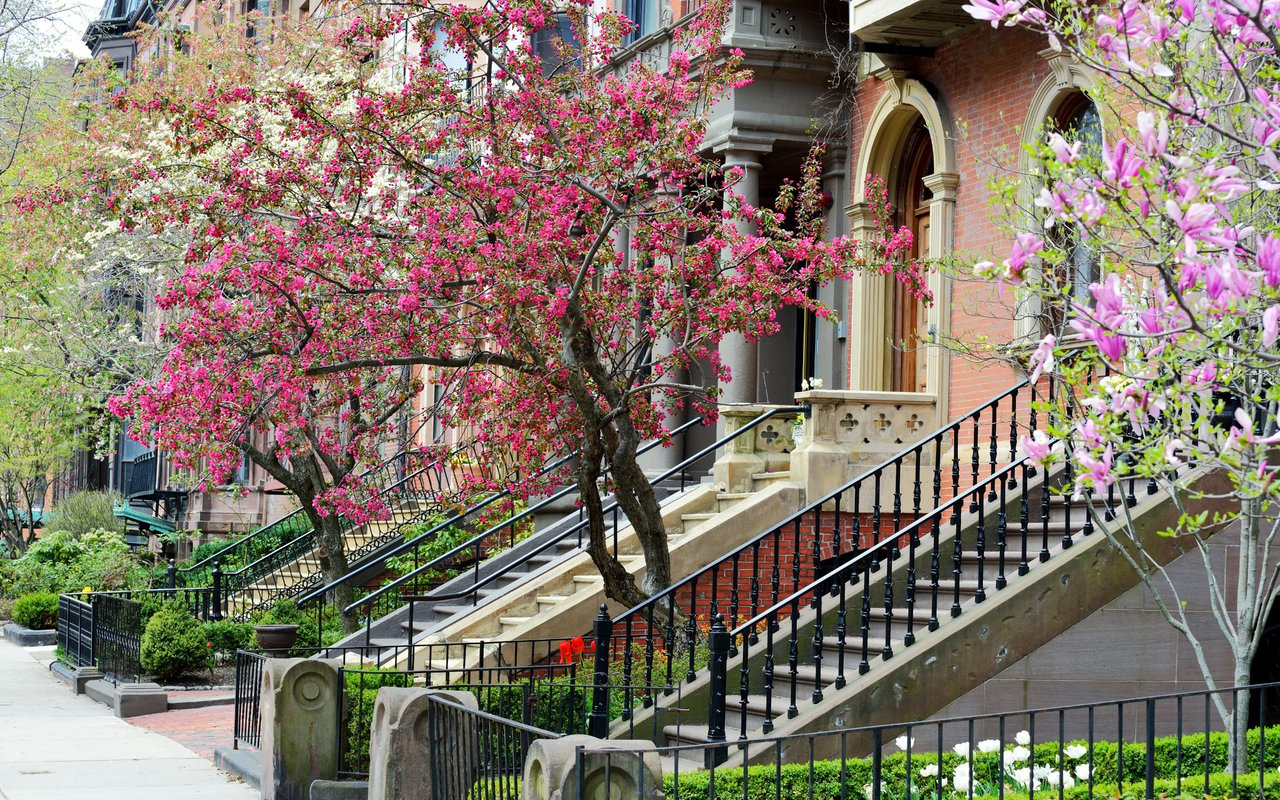
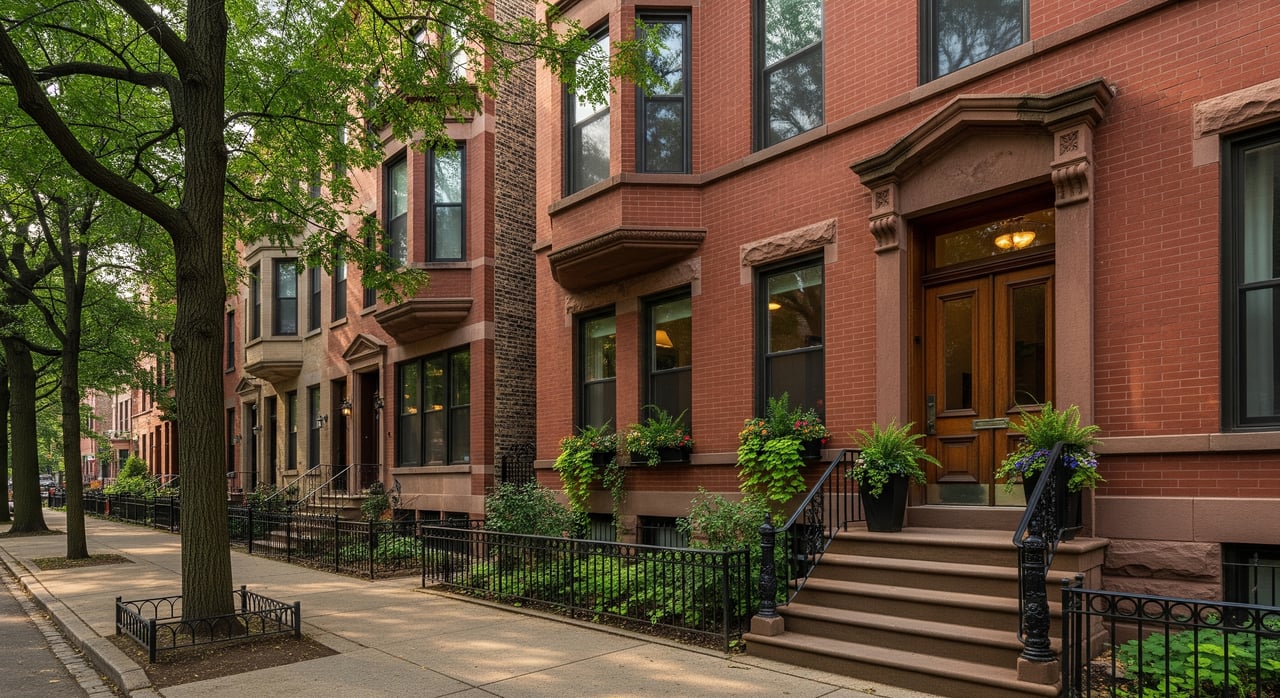
Most of the housing stock is small‑scale multifamily. You will see two‑ and three‑flats, vintage courtyard buildings, and low‑rise brick apartments. Many condos are conversions of older buildings, with some newer mid‑rise developments near the main corridors. Townhomes and single‑family homes exist, though they are less common and often found on the neighborhood edges.
Owners and renters
Andersonville has a healthy mix of owners and renters. Condo associations are common, and many small buildings offer rental options. This variety supports different life stages, from first apartments to right‑sized condos.
What to expect on pricing
Prices are often above the Chicago citywide median, and typically lower than premium North Side areas like Lincoln Park. In many segments, Andersonville is comparable to or slightly above nearby Edgewater. Because prices shift with the market, plan to check fresh data when you are ready to move forward.
Condo buyer checklist
If you are considering a condo, review the building and association with care:
- Reserve fund balance and recent capital projects
- Monthly assessments, what they cover, and any planned increases
- Owner‑occupancy and rental policies
- Building maintenance schedule and vendor contracts
- Financial statements, meeting minutes, and rules and regulations
Investor and multi‑unit options
Two‑ and three‑flats are part of the fabric here, which can appeal to owner‑occupants and small‑scale investors. Inventory and returns vary by block and building condition. If this is your goal, plan for a local rent and expense analysis before you write an offer.
Getting around
Walk, bike, and transit
Daily needs are easy to reach on foot along Clark Street. Biking around the neighborhood is common, with low‑traffic residential streets helping local rides. Heavy‑rail stations do not sit inside the core retail stretch, so most transit trips use CTA buses with connections to the Red Line.
Commute tips
Transit times to downtown vary by start point and time of day. Many commuters take a bus to connect with rail, while others use direct bus routes to reach transfer points. For the clearest picture, test your exact commute using a trip planner from the address you are considering.
Driving and parking basics
Driving downtown typically ranges from about 20 to 45 minutes depending on traffic. Street parking is common and can vary block to block. Some streets require permits or residential stickers, and off‑street parking can be limited in certain buildings.
Daily life: shops, food, and parks
Dining and casual nightlife
You will find a strong mix of locally owned restaurants, neighborhood bars, and bakeries along Clark Street. The scene is lively but not a late‑night club destination. It is ideal if you like to meet friends for dinner, catch a drink, and walk home.
Groceries and services
Neighborhood grocers, specialty food shops, and everyday services are scattered along the main corridor. Larger supermarkets sit a short drive or bus ride away. Pharmacies, dental offices, and clinics are available in and near the district.
Parks, culture, and community
Pocket parks dot the area, and the lakefront offers beaches and trails within a quick ride. The Swedish American Museum is a local landmark, and small galleries and cultural spaces add to the mix. Neighborhood festivals and business‑led events bring the community together throughout the year.
Schools and childcare
Andersonville is served by Chicago Public Schools. Options include neighborhood public schools and nearby magnet or selective programs, as well as private and parochial choices in the broader North Side. Always verify current boundaries, enrollment policies, and availability for programs and daycare before deciding on a home.
Libraries and health care
Chicago Public Library branches serve the area, and larger hospitals and specialty centers are a short drive or transit ride away. This gives you both local convenience and access to regional care when needed.
Who tends to thrive here
Young professionals and couples
If you value walkability, independent dining and retail, and a strong neighborhood identity, Andersonville delivers. The housing stock supports renters and first‑time buyers who want a vibrant local scene.
Downsizers and empty‑nesters
Smaller‑footprint condos near Clark Street make it easy to live car‑light and stay connected to amenities. The active retail core supports a low‑maintenance, urban lifestyle.
Families seeking a village feel
Families who want a close‑knit commercial strip and access to parks often shortlist Andersonville. School preferences vary, so it is smart to research programs and boundaries early in your home search.
LGBTQ+ welcoming community
Andersonville is widely cited as welcoming and inclusive. Many residents value the neighborhood’s open, community‑minded culture.
Tradeoffs to weigh
- Transit convenience depends on your reliance on rail. Most trips involve a bus connection to the Red Line.
- Street parking can be tight on certain blocks, and off‑street options may be limited in some buildings.
- New high‑rise inventory is limited. Shoppers seeking brand‑new towers may prefer other North Side neighborhoods.
- Winters can affect walkability and bike trips for part of the year.
How to decide if Andersonville fits you
- Walk the corridor and side streets at different times of day. Note noise levels, activity, and lighting.
- Test your commute both ways during peak hours from specific addresses.
- Compare a few sample listings: a 1 bedroom rental, a 2 bedroom condo in a courtyard building, and a small single‑family home if that is on your radar.
- For condos, review assessments, reserves, rental policies, and recent building work before you offer.
- Visit the lakefront, parks, and a local event to see how the neighborhood feels in daily life.
Work with a local guide
A great fit goes beyond the floor plan. You also want clarity on building quality, parking, commute tradeoffs, and resale potential. Our team helps you compare options in real time, use modern tools to track listings, and negotiate with confidence. If Andersonville is on your list, connect with Cadence Realty to see tailored listings, set up tours, and schedule a concierge consultation.
FAQs
How walkable is Andersonville for daily errands?
- Clark Street covers most daily needs on foot with cafés, shops, groceries, and services clustered along the main corridor.
What kinds of homes are most common in Andersonville?
- You will mostly see two‑ and three‑flats, vintage courtyard buildings, and low‑rise apartments, with condos in converted vintage buildings and some newer mid‑rises.
How do Andersonville prices compare to nearby areas?
- Prices often sit above the citywide median, below premium North Side areas like Lincoln Park, and are comparable to or slightly above Edgewater in many segments.
What are typical commutes to downtown from Andersonville?
- Expect a bus connection with transfers to the Red Line for many trips, or a 20 to 45 minute drive depending on traffic and start time.
Is there easy access to Lake Michigan from Andersonville?
- Yes. The lakefront beaches and parks in nearby Edgewater are a short drive or bike ride from central Andersonville.
What should condo buyers review before offering in Andersonville?
- Assess monthly dues, reserve funds, recent and upcoming projects, owner‑occupancy and rental policies, and building financials and rules.
How is parking in Andersonville?
- It varies by block. Street parking can be tight in some areas, and certain streets require permits or residential stickers. Off‑street parking is limited in many buildings.
What school options serve Andersonville families?
- Chicago Public Schools provide neighborhood options, with nearby magnet and selective programs plus private and parochial choices. Verify current boundaries and policies before you decide.