You find a condo in Uptown that checks every box, then your lender mentions the building might be non‑warrantable. Now what? If you plan to finance your purchase, a building’s warrantability can shape your loan options, your timeline, and even your future resale. You do not need to walk away. You just need clarity and a smart plan. In this guide, you’ll learn what warrantable vs non‑warrantable means, how it shows up in Uptown, and the steps to take before you write an offer. Let’s dive in.
What “warrantable” means
A warrantable condo is in a building that meets the eligibility rules used by major mortgage agencies and programs, such as Fannie Mae, Freddie Mac, FHA, and VA. When a project qualifies, many conventional lenders can finance units in it, which often leads to more loan choices and smoother approvals. A non‑warrantable condo is simply a unit in a building that does not meet one or more of those tests.
This difference matters because it affects your financing path. Non‑warrantable buildings can still sell and close, but fewer lenders participate. That can mean a larger down payment, higher rates or fees, and a longer approval timeline. It can also shape your resale pool later since some buyers use loan programs that require a warrantable project.
How lenders decide: project review basics
Lenders review the condo project itself, not just your personal finances. While exact thresholds vary by agency and lender, most project reviews consider:
- Legal structure and documents. Is the condo declaration valid under Illinois law, are bylaws in place, and is there proper HOA governance and required insurance?
- Budget, reserves, and delinquencies. Does the association have a realistic operating budget, a plan for reserves or a reserve study, and manageable past‑due assessments?
- Ownership and occupancy mix. How many units are owner‑occupied versus rented, and does any single owner hold a large number of units?
- Physical and use profile. Are there significant commercial uses in the building, short‑term rentals, or signs of deferred maintenance or major capital needs?
- Litigation and special assessments. Are there lawsuits that could affect financial stability, or material assessments on the horizon?
If a project falls short in one or more areas, a conventional loan that relies on agency eligibility may not be available. Some lenders apply their own additional criteria, so it pays to ask how your lender handles condo project reviews in Chicago.
Uptown buildings: what to watch
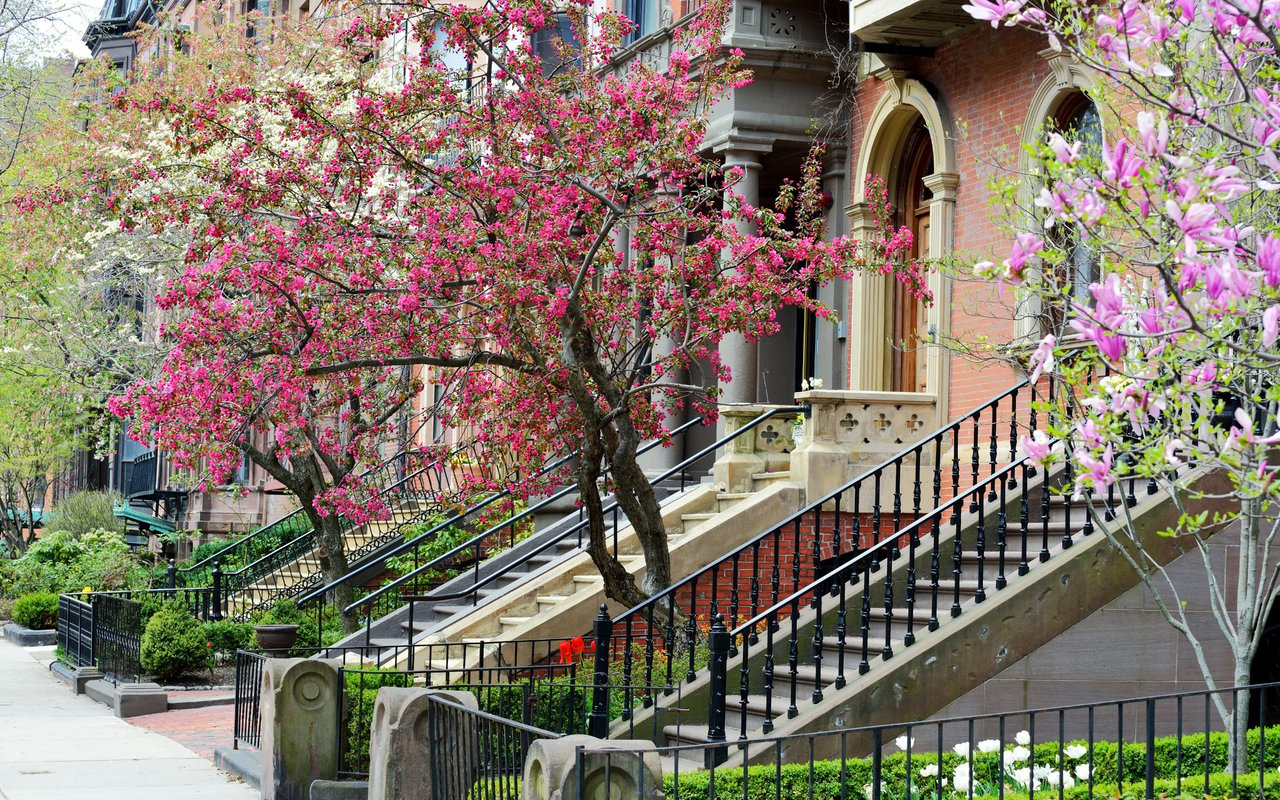
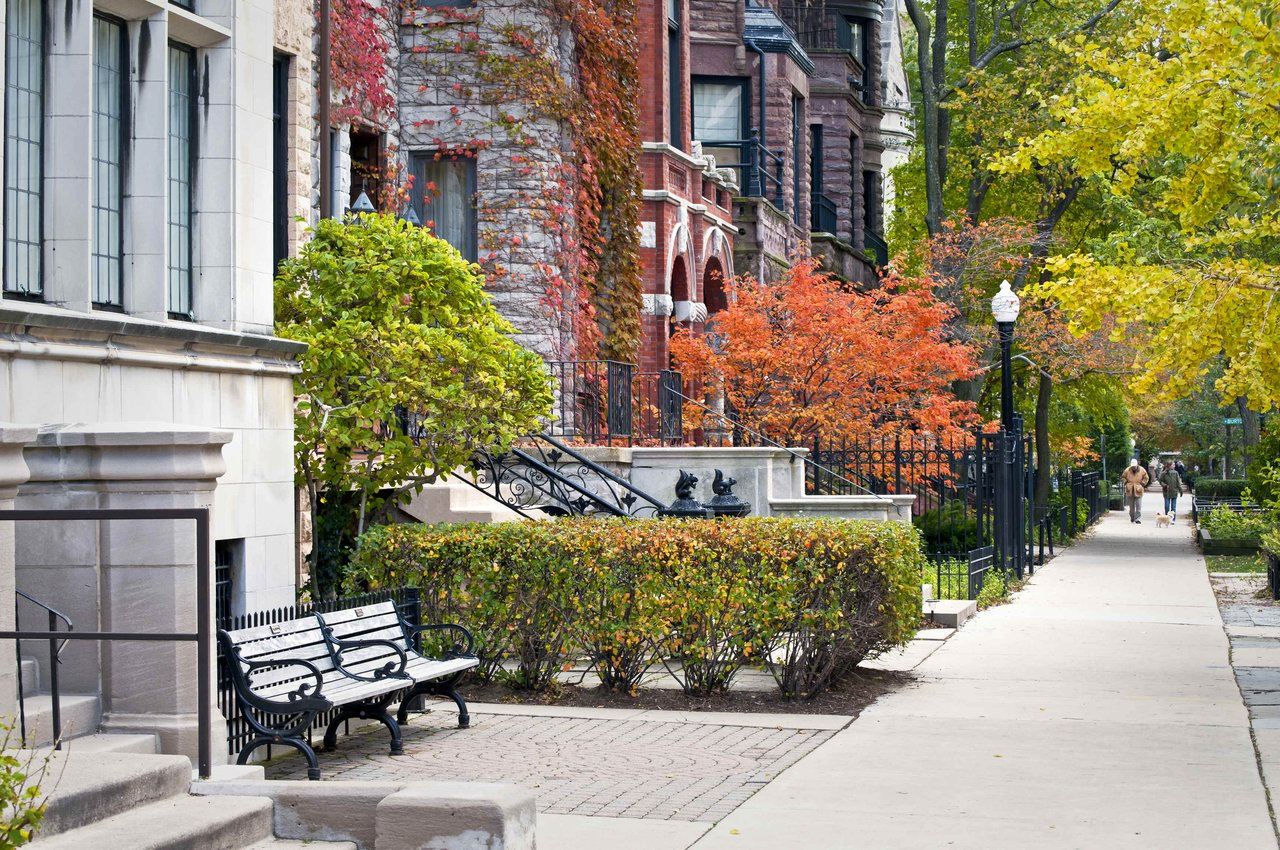
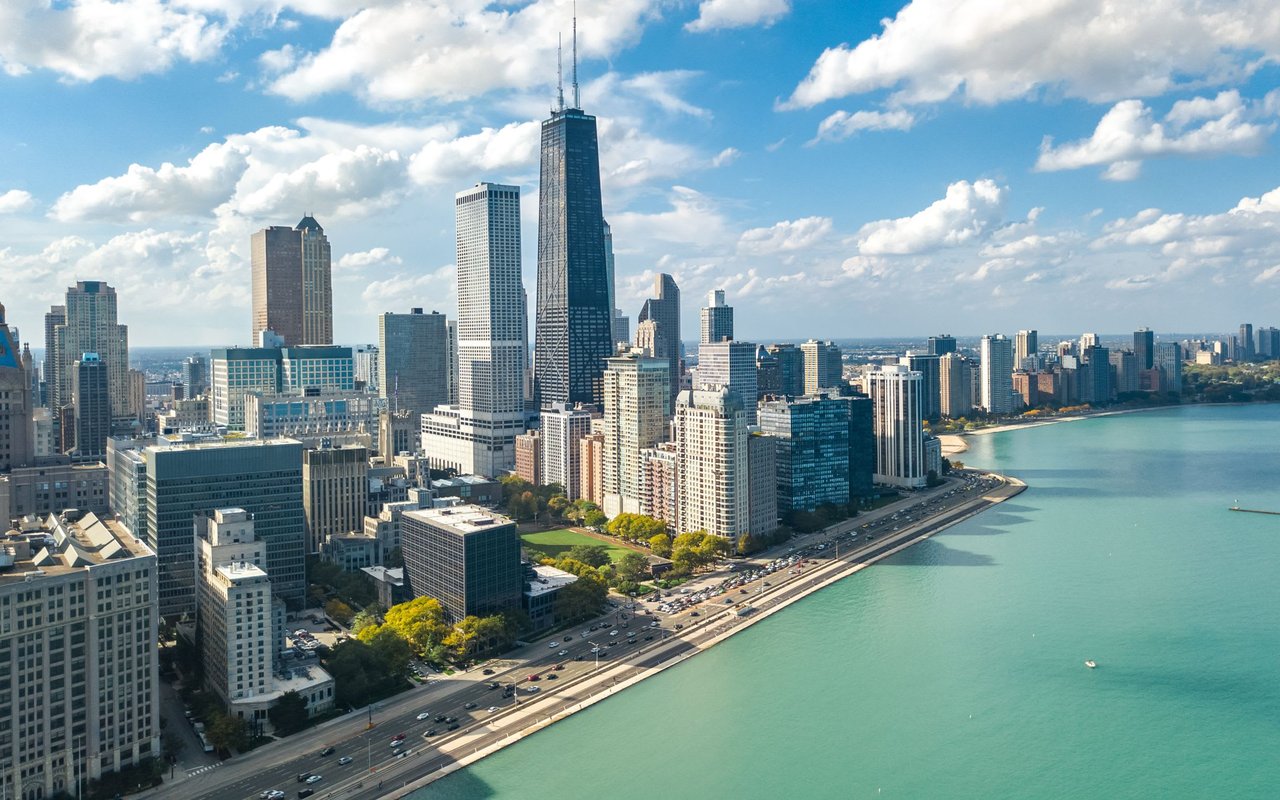
Uptown offers a wide mix of condos, from vintage walk‑ups with courtyard charm to larger high‑rises near the lake. That variety is a draw for buyers, but it also means project reviews can surface different issues from building to building. Here are common Uptown themes to keep on your radar:
- Older conversions. Many buildings were converted decades ago. Documentation can be dated or inconsistent, which can slow legal review.
- Reserves and capital planning. Roofs, façades, elevators, and boilers in older buildings require planning. Some associations lack current reserve studies or may be preparing for special assessments.
- Investor concentration. Proximity to transit, entertainment, and the lake can lead to higher investor ownership in certain buildings. Lenders will look closely at the ownership mix and rental policies.
- Mixed‑use elements. Retail storefronts, parking garages, or institutional tenants at the ground level can affect eligibility depending on how much of the project is commercial.
- Building systems. In larger buildings, lenders often scrutinize mechanical systems and long‑term maintenance plans. Documentation of recent work can help.
None of these are automatic deal breakers. They are simply areas where you should collect facts early and involve your lender before you commit to a tight timeline.
Your buyer checklist in Uptown
Ask for key documents as early as possible. This helps your lender complete the project review faster and reduces surprises during attorney review.
- Most recent HOA budget and any reserve study
- Last 12–24 months of association meeting minutes
- Master insurance declarations and certificate of insurance
- Current HOA dues, recent increases, and any disclosed special assessments
- Information on litigation or threatened claims
- Owner‑occupancy and rental policy, including any limits on leasing or short‑term rentals
- Declaration, bylaws, and rules and regulations
- Any available building inspection or engineering reports
- HOA delinquency rate and accounts receivable aging, if provided
- Board or management contact for lender questionnaires
Bring these questions to your lender during pre‑approval:
- Will you sell my loan to Fannie or Freddie, or keep it in portfolio?
- Can you finance this specific building if it is non‑warrantable, and on what terms?
- Do you require the project to appear on an FHA, HUD, or VA approved list for those programs?
- What documentation will you need from the HOA, and how long does a project review usually take?
- Are there minimum insurance or reserve requirements I should know about now?
Financing non‑warrantable condos
If the building is non‑warrantable, you still have options. You may have fewer lender choices and different terms, but an experienced team can help you compare paths.
- Conventional agency loans. Best fit for warrantable projects. These can be the most straightforward and cost‑effective when the building qualifies.
- FHA or VA loans. These require separate project approvals. If a project is not on the approved list, work with your lender to see whether approval is possible and what the timeline looks like.
- Portfolio loans. The lender holds the loan instead of selling it. These can work for non‑warrantable projects but may call for a larger down payment and different pricing.
- Specialty programs. Some lenders offer products tailored to common non‑warrantable scenarios. Availability changes, so ask your lender what they have today.
The key is to identify the project’s status early and line up the right product before you write an offer. That way you can negotiate with confidence and set realistic contingencies.
Smart next steps and timing
Project reviews can add days or weeks to your loan process, especially if HOA documents are incomplete or if agency approval is required. Build that time into your purchase plan.
- Start early. Ask your agent to request HOA documents while you are still touring. Share them with your lender during pre‑approval.
- Protect your timeline. Use attorney review and financing contingencies that allow enough time for the project review and lender response.
- Confirm insurance. Master policy details can slow loan approval. Get the certificate of insurance and declarations page up front.
- Coordinate your team. Your agent, lender, and attorney should be aligned on the building’s status and the steps to clear any open items.
A good process reduces risk and stress. With the right preparation, you can pursue the condo you love and keep your closing on track.
How Cadence Realty helps in Uptown
You should not have to decode warrantability on your own. Our team focuses on Chicago’s North Side and understands how Uptown buildings differ by age, size, and ownership mix. We help you collect the right documents, spot common red flags, and match your purchase to the right financing path.
- Financing game plan. We coordinate an early lender review of the building and outline loan options before you make an offer.
- Document concierge. We help request HOA budgets, minutes, insurance, and project questionnaires so your lender can move quickly.
- Offer strategy. We design contingencies and timelines that reflect the project’s status and protect your interests.
Ready to move forward with clarity and confidence? Connect with the local team that treats the process like it matters to you, because it does. Schedule your concierge consultation with Cadence Realty.
FAQs
What is a warrantable condo and why does it matter?
- A warrantable condo meets agency and government program rules, which usually opens up more lender options, smoother approvals, and often better pricing.
How can a condo in Uptown become non‑warrantable?
- Common reasons include high investor ownership, limited reserves, pending litigation, significant commercial space, or gaps in legal documents or insurance.
Can I still get a loan for a non‑warrantable condo in Chicago?
- Often yes. Portfolio or specialty loans may be available, though they can require higher down payments and different terms than conventional loans.
How do I check if a building is FHA or VA approved?
- Ask your lender to confirm the project’s status and explain the process. Approval lists and criteria are maintained by the respective agencies.
What documents should I request before making an offer in Uptown?
- Start with the HOA budget, reserve study, meeting minutes, master insurance details, rental policy, delinquency info, and any litigation or special assessment disclosures.
How long does a condo project review usually take?
- Timelines vary by lender and document readiness. Plan for added time, and build contingencies that allow the lender to complete the review without rush.