Torn between the charm of a vintage greystone and the convenience of a new-build condo in Lincoln Park? You are not alone. This neighborhood offers both classic Chicago character and sleek modern living, often on the same block. In this guide, you will learn what truly separates vintage from new construction, how each impacts comfort, costs, inspections, HOAs, and resale, and what to watch for before you buy. Let’s dive in.
Vintage vs new: what you get in Lincoln Park
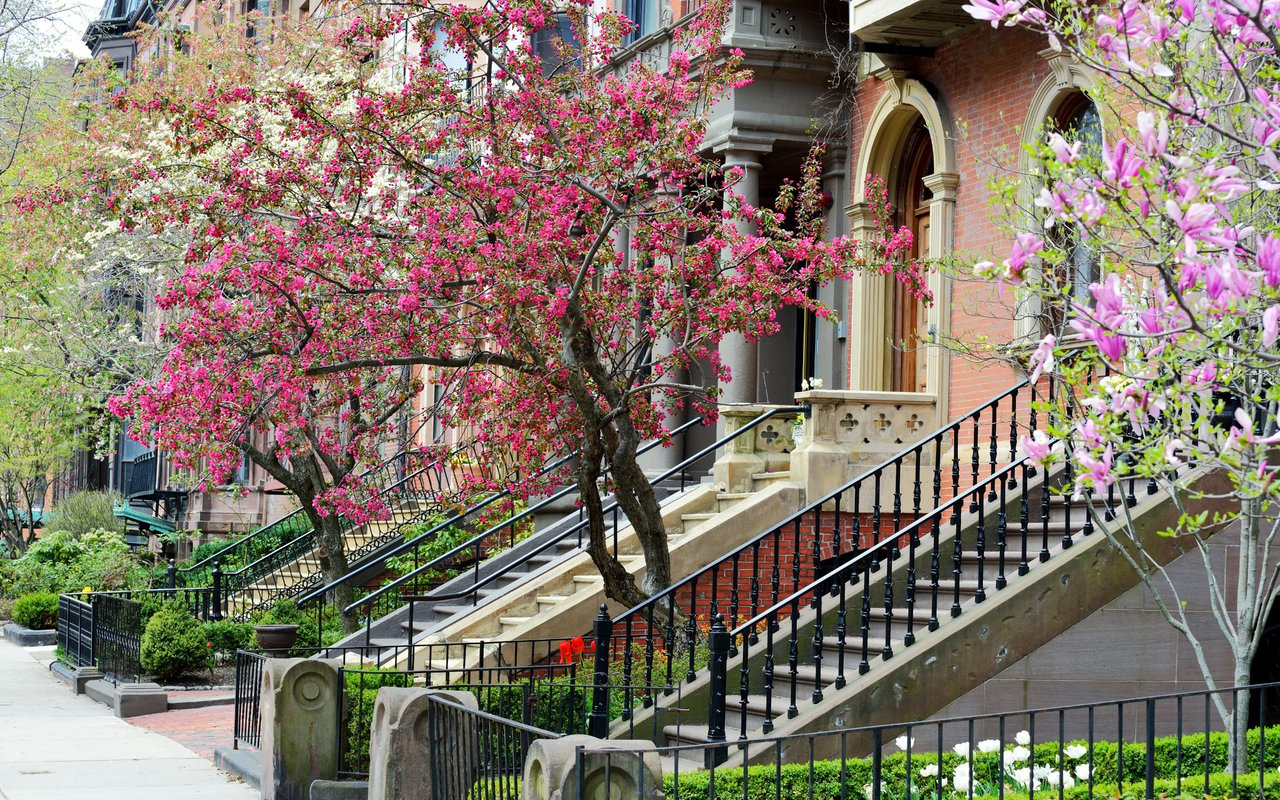
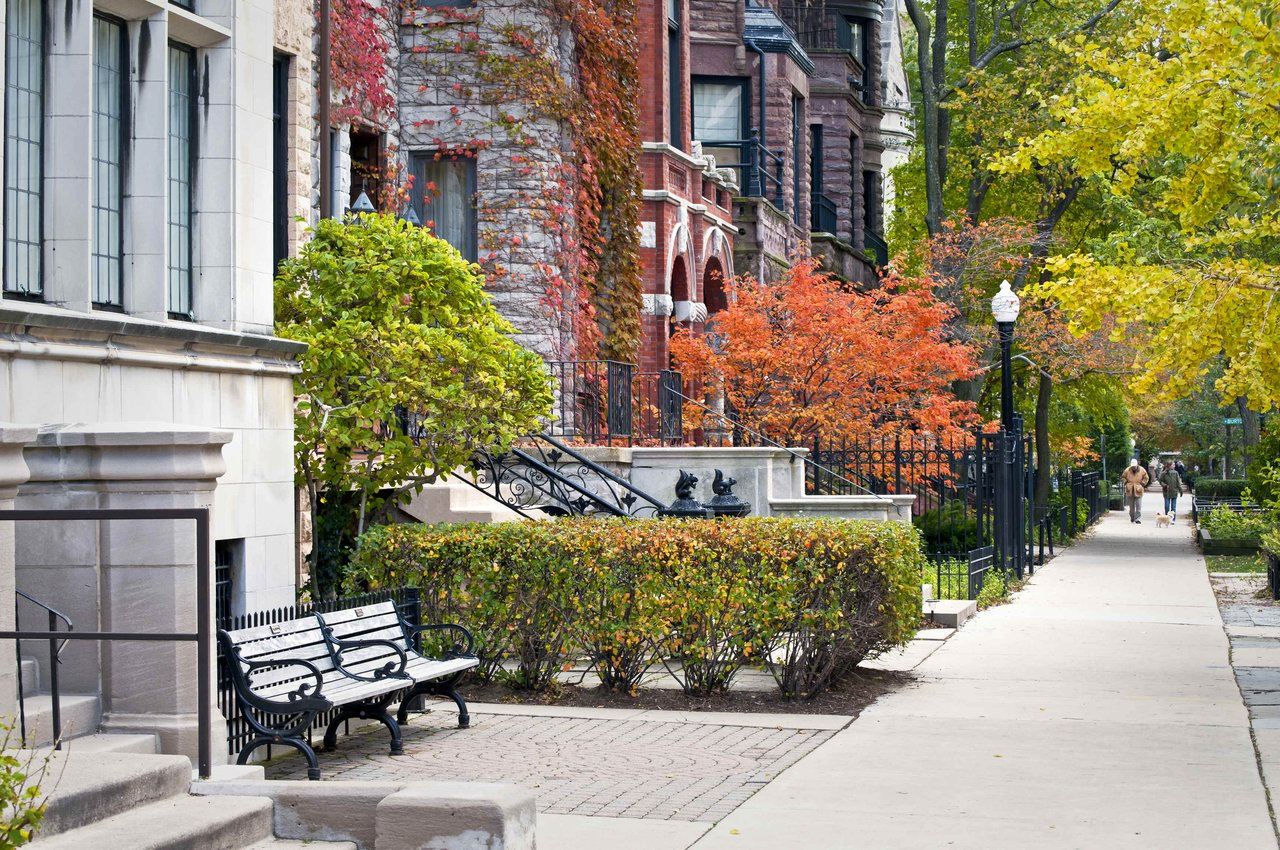
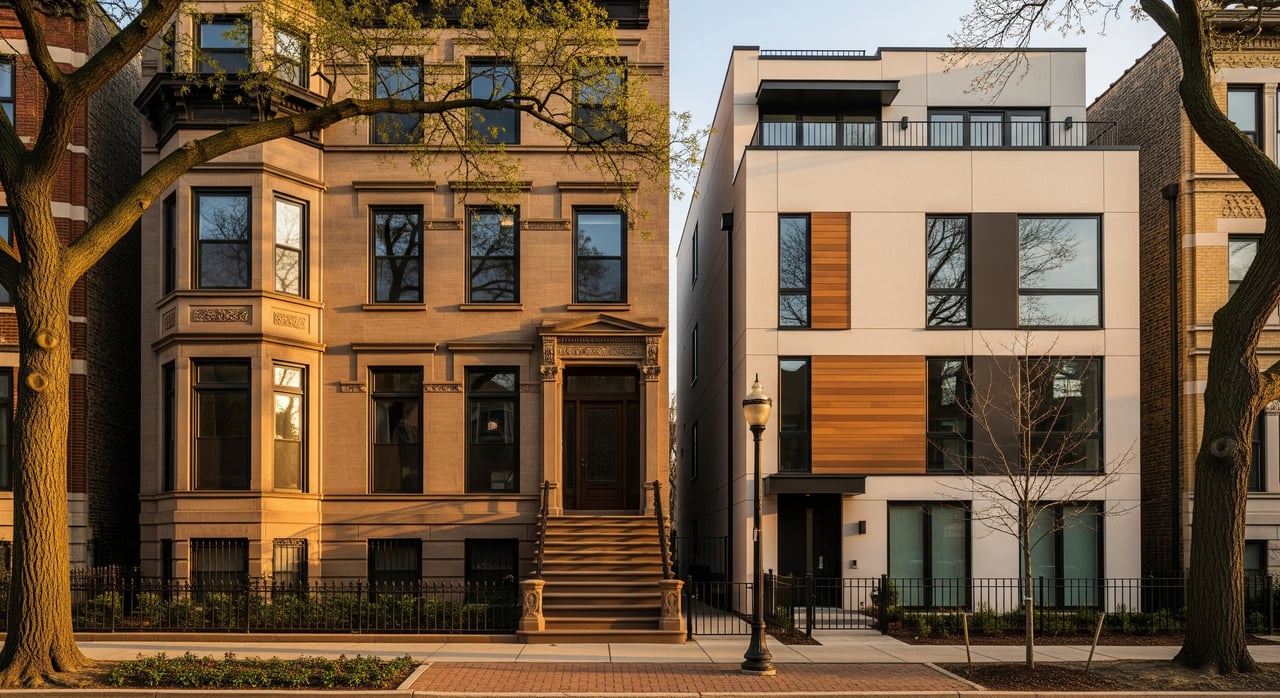
Lincoln Park’s housing mix is diverse. You will see 19th and early 20th century brick and greystone homes, two and three flats converted to condos, and newer infill developments and towers. That variety gives you choices on layout, finishes, and ownership structure.
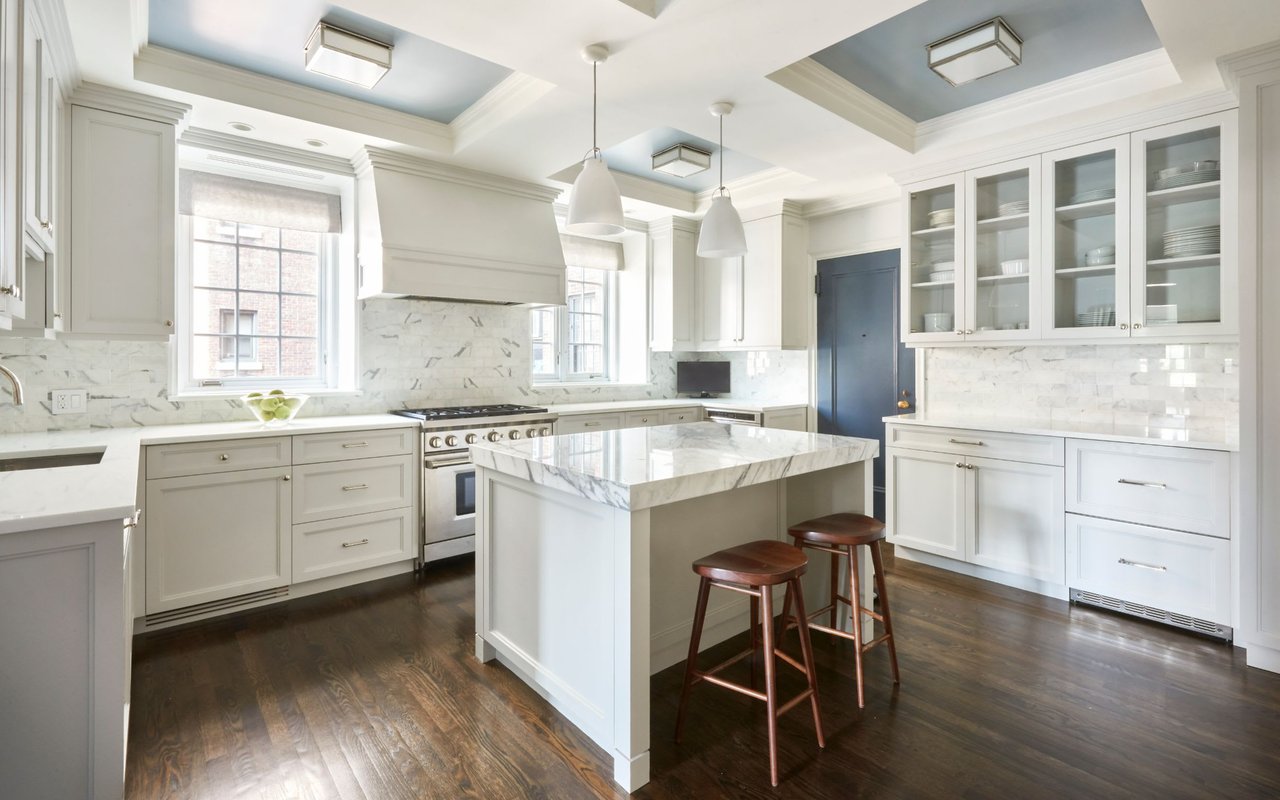
- Vintage typically delivers tall ceilings, hardwood floors, plaster walls, built-ins, and unique room shapes that feel one of a kind.
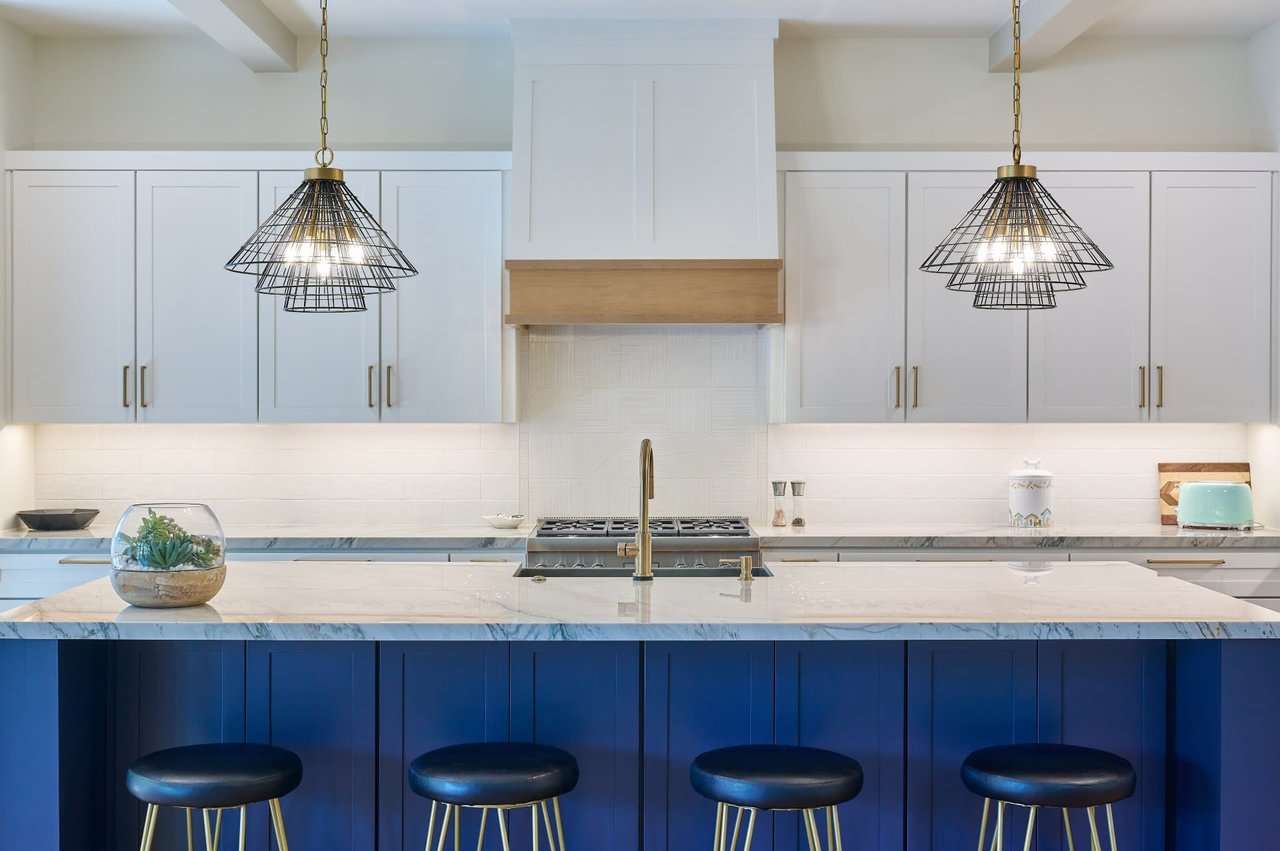
- New construction often offers open floor plans, modern windows, central HVAC, and contemporary finishes, with amenity buildings adding perks like gyms and rooftop decks.
- Pricing is supported by strong local demand. Well-kept vintage with intact character and well-designed new units both command premiums in Lincoln Park.
Architecture and systems: key differences
Vintage features to expect
- Solid masonry façades, plaster walls, pocket doors, period windows, and ornate trim.
- Legacy systems may include cast-iron radiators, older boilers or furnaces, and aging plumbing and electrical in the oldest buildings.
- Renovations can be more complex due to structural limits and the cost of matching materials.
New construction features to expect
- Open-concept layouts with integrated kitchens and living spaces, modern insulation, and efficient windows.
- Central HVAC, modern electrical capacity, and up-to-code life safety systems.
- Lower short-term maintenance needs, though punch-list or early warranty items can arise.
How it affects daily living
- Character vs layout: Vintage gives you unique details, while new offers predictable, flexible space planning.
- Customizing: Large reconfigurations are often easier in new construction. Vintage structures may limit layout changes.
- Maintenance: Vintage may require periodic masonry, roof, and system work. New can shift early risk to the builder during the warranty period, but latent defects are possible.
Energy and comfort in Chicago weather
What changes your utility bills
- Vintage buildings often have less insulation and older windows that allow drafts. Boilers and radiators can be comfortable but less controllable room by room unless updated.
- New construction must meet current energy codes, which means tighter envelopes, better insulation, and high-efficiency HVAC that usually lowers per square foot utility costs.
Upgrades that help in vintage homes
- Insulation in attics and walls where feasible, weather sealing, and storm windows or restored historic windows with added glazing.
- High-efficiency condensing boilers or heat pumps, electrical panel upgrades, and targeted plumbing replacement over time.
- Chicago-area programs may offer incentives through utilities and local nonprofits. Check ComEd, Peoples Gas, and Elevate Energy for current rebates and energy audits.
Ventilation and indoor air quality
- Airtight new units often include mechanical ventilation that manages humidity and fresh air. Verify systems are balanced and working as designed.
- In vintage homes, adding controlled ventilation can improve comfort and air quality, especially after weather sealing.
HOAs and assessments: Lincoln Park condos
Ownership types you will see
- Small vintage condo associations created from conversions, larger mid- and high-rise condominiums, and a smaller number of co-ops. Single-family and rowhouse options are common as well.
How dues work and what they cover
- Small vintage associations may have lower monthly dues but fewer amenities and smaller reserves. That can mean special assessments for big projects like tuckpointing or roof work.
- Newer buildings often have higher dues that fund management, amenities, insurance, and services. Reserves can be healthier, but operating costs are higher too.
What to review before you offer
- Bylaws and declarations, the current budget, any reserve study, and 6 to 12 months of meeting minutes.
- Insurance policies, recent and pending special assessments, owner-occupancy levels, and any pending litigation.
- For financing, remember that some loan programs have rules for reserves, litigation, and occupancy that can affect approvals and future resale.
Historic and permitting considerations
Parts of Lincoln Park fall under historic district or landmark review. Exterior changes on designated properties require approvals, which can affect renovation scope and timelines. Always check the Commission on Chicago Landmarks and the City of Chicago Department of Buildings permit history for previous work and compliance.
Inspections: what to look for
Vintage inspection focus
- Structure and envelope: foundation settlement, masonry mortar, roof age and flashing, and chimney stability.
- Moisture and drainage: basement water intrusion, gutter and downspout function, window wells, and sump pump condition.
- Plumbing and sewer: material type, potential for older cast-iron or galvanized piping, and the condition of the sewer lateral.
- Electrical: panel capacity, grounding, presence of very old wiring types, and need for modern upgrades.
- HVAC and water heating: age, maintenance history, and ventilation.
- Hazardous materials: lead-based paint in pre-1978 properties and possible asbestos in older finishes or insulation.
New construction inspection focus
- Punch list: finishes, trim, paint, door and window alignment.
- Water management: balcony drainage, window and terrace flashing, and façade details that prevent intrusion.
- Mechanical commissioning: HVAC performance, thermostat function, and ventilation balancing.
- Safety and documentation: smoke and CO detectors, egress, sprinklers where required, and builder warranty coverage and process.
Plan for maintenance and timelines
- Roofs often last 15 to 30 years depending on type and care.
- Masonry repointing typically comes up every few decades. Chicago freeze-thaw cycles can accelerate wear.
- Original windows may be restored or supplemented with storms. Full replacement is a bigger project and may require historic approval.
- Cast-iron sanitary lines can age out after several decades. HVAC equipment often needs replacement after 15 to 25 years with normal usage.
A realistic plan keeps you ahead of big-ticket items, especially in vintage properties. In newer buildings, focus on early warranty claims and regular servicing to protect long-term performance.
Resale dynamics in Lincoln Park
- Vintage with integrity: Homes that keep historic details and show solid system updates can attract strong buyer interest. Outdated systems can shrink the pool and affect pricing.
- New construction appeal: Turnkey finishes, modern layouts, and amenities are popular with lifestyle buyers and investors. Balance that against HOA dues because higher dues impact affordability.
- Liquidity: In condos, association health matters more than age. Strong reserves, no major litigation, and stable occupancy often support easier resale.
Financing and insurance basics
- Lender approvals: If you are using FHA or VA loans, verify the condo project’s eligibility. Conventional lenders also review budgets and litigation.
- Renovation loans: Consider FHA 203(k) or Fannie Mae HomeStyle if a vintage purchase needs improvements.
- Appraisals: Unique historic features may be tricky to value. Recent system upgrades and quality renovations usually help.
- Insurance: Older wiring, plumbing, or historic materials can raise premiums. In condos, understand master policy coverage versus your walls-in policy.
A simple buyer checklist
Use this quick list to reduce surprises and make an informed choice.
- Pull permit and renovation history from the City of Chicago Department of Buildings.
- Request 12 months of utility bills to estimate operating costs.
- Review condo documents: bylaws, declarations, current budget, reserve study, minutes, insurance, and any special assessments.
- Ask about planned capital projects or pending litigation.
- For vintage: gather records on masonry work, roof timeline, sewer lateral repairs, electrical upgrades, and any environmental testing.
- For new construction: collect builder warranty details, punch-list status, commissioning reports, and developer disclosures.
- Confirm financing requirements for the building and your loan type.
How to choose what fits you
If you love architectural detail and can plan for periodic upgrades, vintage can be rewarding. If you want an easy move-in with predictable systems and amenities, new construction may be better. Many buyers prefer a middle ground, choosing a vintage building with major system updates already done, or a recent build that has cleared its first few years of ownership issues.
When you balance layout, comfort, ownership costs, and resale, you will see a clear path. The right choice aligns with how you live now and the maintenance you are comfortable managing.
Get local guidance
Buying in Lincoln Park works best with a focused, evidence-based plan. If you want help comparing specific buildings, reviewing HOAs, or stress-testing inspection findings, our team is ready to guide you with hyperlocal insight and modern tools. Schedule a concierge consultation with Cadence Realty and move forward with confidence.
FAQs
What defines a vintage home in Lincoln Park?
- Typically late 19th to early 20th century masonry buildings with tall ceilings, hardwood floors, plaster walls, and period details like millwork and stained glass.
How do HOA dues differ between vintage and new buildings?
- Small vintage associations often have lower dues and fewer amenities, while newer buildings charge more to cover management, services, and reserves.
What inspection items are most common in vintage condos?
- Masonry tuckpointing, roof and flashing condition, basement moisture, older plumbing or electrical, and boiler or radiator performance.
Are new construction condos free of maintenance costs?
- No. Early years can include punch-list fixes, waterproofing checks, and system commissioning, although builder warranties may cover certain items.
How do Chicago winters affect energy costs in older homes?
- Less insulation and older windows can raise heating bills and cause drafts. Weather sealing, insulation, and window upgrades can improve comfort.
Do historic reviews affect renovations in Lincoln Park?
- Yes. Properties in landmark districts may need approvals for exterior work, which can affect scope, materials, cost, and timelines.
What documents should I review before buying a condo?
- Bylaws and declarations, current budget, reserve study, meeting minutes, master insurance, special assessments, and any pending litigation.
What financing options help with vintage renovations?
- Programs like FHA 203(k) and Fannie Mae HomeStyle can fund repairs or energy upgrades as part of your purchase financing.