If you are shopping for a detached home on Chicago’s North Side, Ravenswood can feel both exciting and hard to pin down. One block may offer a classic Victorian on an oversized lot, while the next puts you near transit, retail corridors, and a very different price point. Understanding how lot size, housing style, and location work together can help you make smarter decisions in this competitive market. Let’s dive in.
Ravenswood’s single-family market at a glance
Ravenswood has a strong identity, even though it is officially part of the Lincoln Square community area. Historically, it began as a commuter suburb and later evolved with streetcar and elevated rail access, which helps explain why the area includes a mix of detached houses, two-flats, and apartments rather than one uniform housing type.
That mix still matters today. In the neighborhood framework plan, multi-unit residential properties made up 33% of mapped properties, while single-family detached houses made up 25%. In other words, single-family homes are a meaningful part of Ravenswood, but they are part of a broader housing landscape.
Current neighborhood metrics point to a seller-leaning market. Redfin’s March 2026 data show a median sale price of $595,000, 35 median days on market, a 104.0% sale-to-list price ratio, and 56.4% of homes selling above list, with 55 homes sold during the month.
For you as a buyer or seller, that means pricing power is real, but it is not evenly distributed across every home. Ravenswood values often shift based on the specific block, lot, condition, and architectural character of the property.
Why lot size matters in Ravenswood
In many Chicago neighborhoods, buyers start with the idea of a standard residential lot at about 25 feet by 125 feet. Ravenswood certainly has homes on that kind of footprint, but current and recent listings show meaningful variation, including 25x165, 33x163.3, and 33x152 lots.
That difference can have a major effect on how a home lives day to day. A deeper or wider lot may allow for more outdoor space, larger garage capacity, a bigger footprint, or room for additions and newer layouts. In practical terms, two homes with similar bedroom counts can offer very different lifestyles if one sits on a standard lot and the other sits on an oversized parcel.
The neighborhood framework plan notes that houses on Hermitage and Paulina located on double lots are rare in the city. That helps explain why certain homes on those blocks can command a premium compared with more typical Chicago lot configurations.
For move-up buyers especially, lot size is often one of the first things to measure after location. If you are comparing homes in Ravenswood, it helps to look beyond square footage and ask how much of the value is tied to the land itself.
How architecture shapes pricing
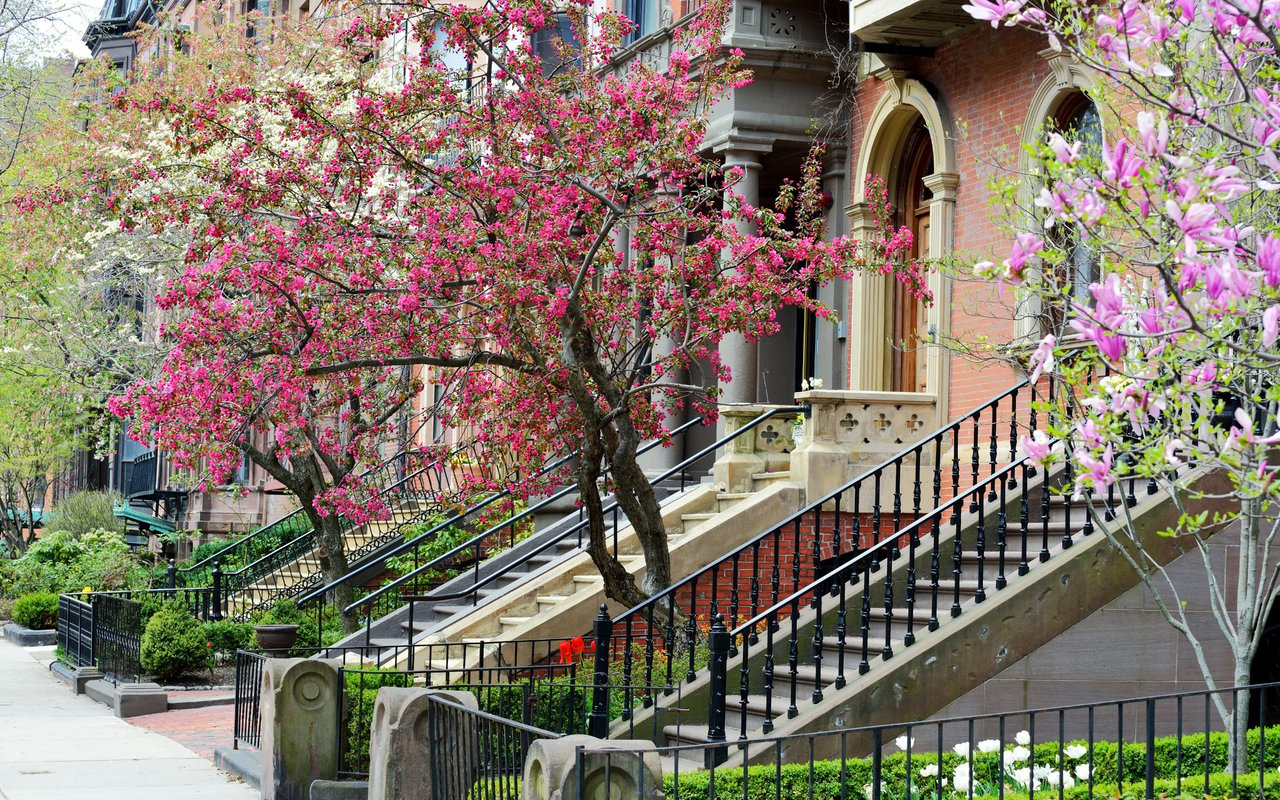
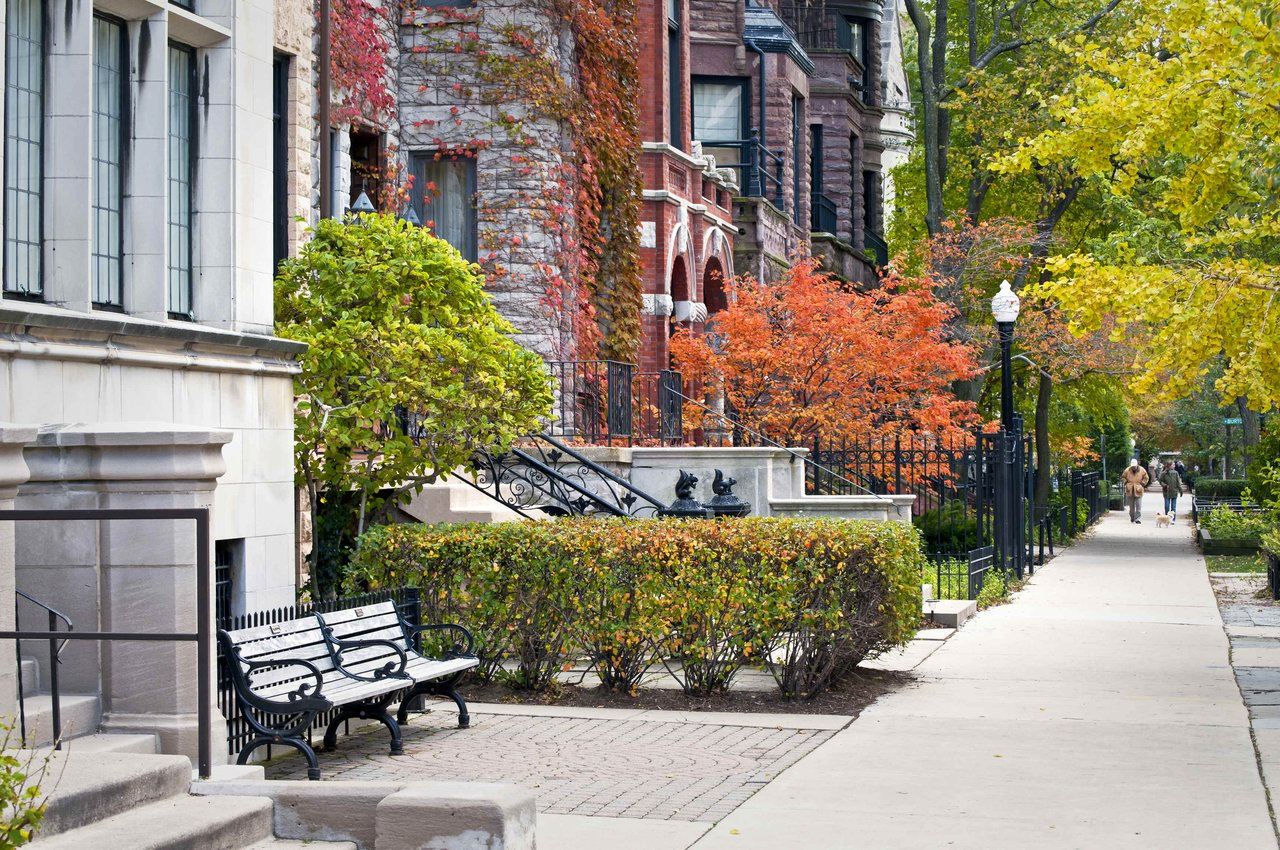
One of Ravenswood’s biggest strengths is architectural variety. The neighborhood plan describes the area as notable for historic architecture, and the East Ravenswood Historic District is recognized for its physical setting and building stock.
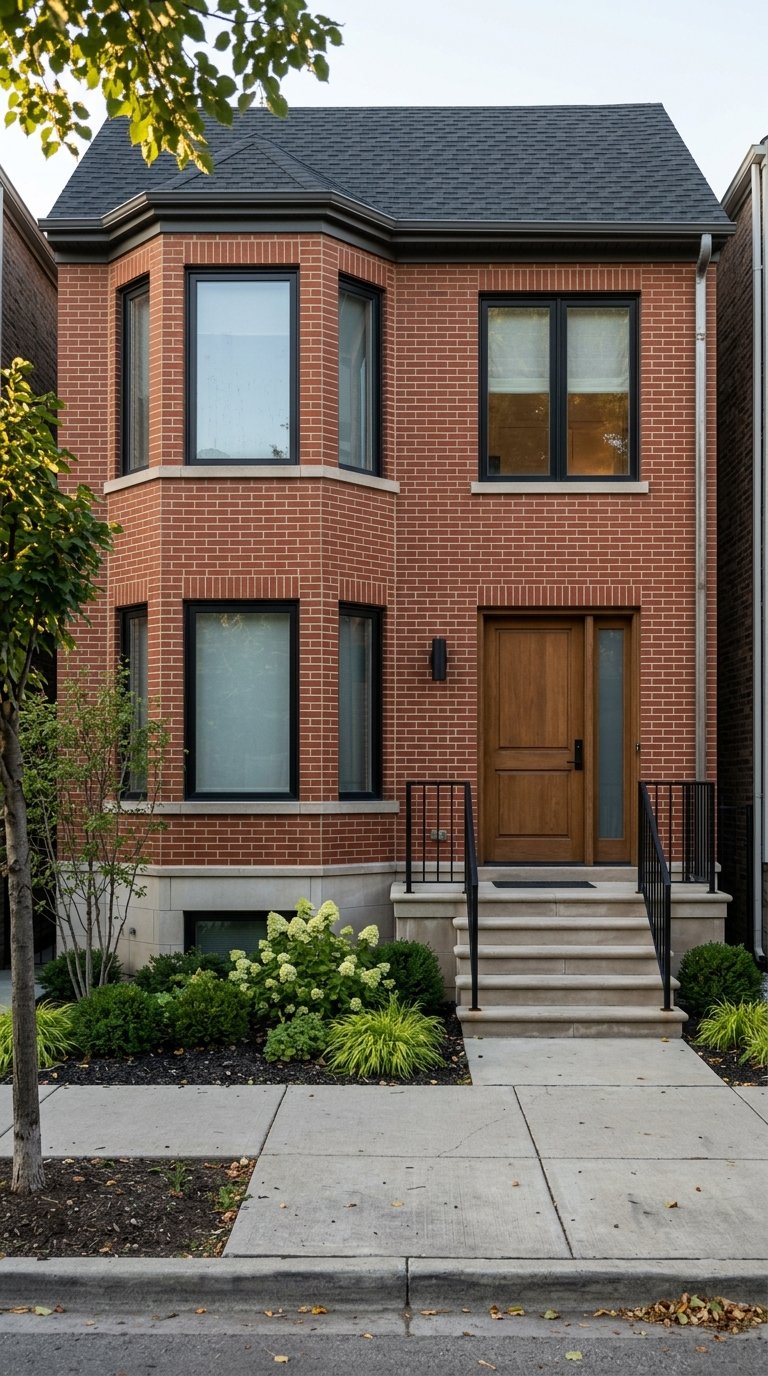
That variety shows up clearly in the single-family inventory. Recent listings have included a Victorian home on Winchester, a Tudor-style home on Greenview, a Victorian Greystone on Hermitage, a frame farmhouse on Ravenswood, and new-construction homes that bring a more modern product to the market.
For you, this means price comparisons are rarely simple. A vintage home with preserved woodwork, original massing, and updated systems may compete in a different lane than a full new-construction home, even if both offer similar bedroom and bathroom counts.
Condition also matters in a very specific way here. In Ravenswood, buyers often weigh historic character and functional updates at the same time, so a home that balances original details with a modern kitchen, expanded primary suite, or newer garage may stand out quickly.
Location inside Ravenswood matters
Ravenswood is especially appealing to buyers who want detached-home living without giving up urban convenience. The neighborhood is served by Brown Line stops at Irving Park, Montrose, Damen, and Western, along with bus routes 50, 81, 9, and 49/49b, plus the UP-North Metra line through Ravenswood Station at Ravenswood and Lawrence.
The Greater Ravenswood Chamber of Commerce also describes the area as a walker’s paradise, with a walk score of 90. That transit and walkability profile is a big reason Ravenswood continues to attract buyers who want a house but still want easy access to daily errands and commuting options.
Not every part of the neighborhood feels the same, though. The chamber describes Damen as a boutique retail strip, Ashland as a major road artery, Clark as a retail and cultural corridor, Lawrence as an area with walkability improvements, Montrose as a restaurant-and-café street, and Ravenswood Avenue as a historic industrial corridor that has evolved into a creative-maker district.
That creates a real pricing gradient within the neighborhood. Homes near Metra or the Brown Line may attract buyers who value convenience first, while homes on quieter interior streets such as Hermitage, Paulina, Greenview, or Winchester may draw buyers focused on yard space, lot quality, and a more residential setting.
What buyers should watch closely
If you are moving up from a condo or townhome, Ravenswood can be a smart next step, but it helps to know what tends to drive demand. The strongest single-family homes often combine three things: a strong block, a meaningful lot, and a layout that already solves common space needs.
Recent examples make that clear. One Paulina home emphasized a 25x165 extra-deep lot, a Hermitage property used a 33x163.3 oversized lot for a custom 5,500-square-foot residence, and a Winchester Victorian on a 33x152 lot presented as a very different product from a standard Chicago house.
That does not mean every buyer needs the biggest lot or newest house. It does mean that the market tends to reward homes that clearly offer something scarce, whether that is lot depth, yard space, architectural character, or a highly functional updated layout.
Competition is still part of the picture. Neighborhood-level metrics show homes often selling above list, and recent examples included multiple competing bids on homes in roughly the $700,000 to $750,000 range.
What sellers should understand
If you own a single-family home in Ravenswood, your home may not fit into a simple neighborhood average. Buyers here often pay close attention to lot dimensions, block-by-block setting, architectural style, and the quality of updates.
That makes positioning especially important. A standard-lot home on a quiet street may need a different pricing and marketing strategy than a larger home on an oversized parcel or a newer build near major transit access.
It also means preparation matters. Buyers in Ravenswood are often comparing homes across different styles and eras, so clear presentation of updates, layout advantages, outdoor space, and lot dimensions can make a meaningful difference in how your home is received.
For both buyers and sellers, the key takeaway is simple: Ravenswood is not a one-price-fits-all single-family market. It is a neighborhood where architecture, lot quality, and transit-rich location all shape value at the same time.
If you are thinking about buying or selling in Ravenswood, a neighborhood-specific strategy can help you read the market more clearly and act with confidence. Cadence Realty offers concierge-level guidance rooted in North Side expertise, personalized service, and practical market insight.
FAQs
What is the current single-family market like in Ravenswood?
- Ravenswood is currently a seller-leaning market, with March 2026 neighborhood data showing a $595,000 median sale price, 35 median days on market, a 104.0% sale-to-list price ratio, and 56.4% of homes selling above list.
Why do lot sizes matter so much for Ravenswood homes?
- Ravenswood includes both standard Chicago lots and larger lots such as 25x165 or 33x152, and those larger parcels can offer more yard space, garage capacity, or expansion potential, which can affect value and buyer demand.
What kinds of single-family homes are common in Ravenswood?
- Ravenswood’s housing stock includes a range of styles, including Victorian, Tudor, Greystone, farmhouse, and new-construction homes, which is part of what makes pricing less uniform across the neighborhood.
How does transit affect home demand in Ravenswood?
- Ravenswood’s access to Brown Line stations, bus routes, and the UP-North Metra line supports demand from buyers who want detached-home living with strong commuting and walkability options.
What should buyers compare when looking at Ravenswood houses?
- Buyers should look closely at lot dimensions, street location, home condition, architectural character, and how well the layout meets daily space needs, since those factors often shape value more than bedroom count alone.
What should sellers highlight when listing a Ravenswood single-family home?
- Sellers should clearly present lot size, outdoor space, updates, layout functionality, and the home’s location within Ravenswood, because buyers in this market tend to notice those details quickly.