If you want a Chicago neighborhood where the train is part of everyday life, Uptown deserves a close look. For many buyers, the appeal is simple: you can live near 24-hour Red Line service, walk to restaurants and entertainment, and still stay close to the lakefront. If you are trying to balance commute time, lifestyle, and budget, this guide will help you understand what buying near the Red Line in Uptown really looks like. Let’s dive in.
Why Uptown draws Red Line buyers
Uptown stands out because transit is not just a convenience here. It shapes how many people move through the neighborhood every day. The CTA says the Red Line runs 24 hours a day, and Uptown’s key nearby stops include Wilson, Lawrence, and Argyle, all of which are listed as accessible stations on the CTA system map and station guide.
That matters if you want more flexibility in your routine. Whether you commute downtown, work nontraditional hours, or simply want backup options when driving feels like a hassle, the neighborhood offers strong rail access plus multiple bus connections. According to the neighborhood brochure from Choose Chicago, Uptown can be reached by three CTA rail lines, which adds even more transit coverage.
Uptown is also built for moving around on foot. Walk Score rates Uptown a 93 for walkability and a 79 for transit, which supports what many buyers notice right away: daily errands, dining, and entertainment are often within easy reach.
Red Line stops in Uptown
Wilson station access
Wilson is one of the most important stations for Uptown buyers to know. CTA notes that Wilson had already been rebuilt and now functions as a Red and Purple Express transfer point, which can make trips more flexible depending on your route and timing.
For buyers, that can translate into a little more optionality in daily life. If you value easy transfers or want to stay connected to a broader slice of the North Side, being near Wilson may feel especially convenient.
Lawrence station access
Lawrence is another central stop for Uptown living. CTA reports that the Lawrence station was fully reconstructed and is now in service as part of the RPM project, with accessibility improvements included.
This stop is also relevant if lakefront access matters to you. The Chicago Park District says Montrose Beach is served by the Lawrence and Wilson Red Line stations, which gives buyers a practical way to connect train access with outdoor time.
Argyle station access
Argyle is a key station if you are drawn to one of Uptown’s most distinctive commercial corridors. CTA includes Argyle on its accessibility list, and the neighborhood brochure highlights Asia on Argyle as one of Uptown’s defining districts.
Living near Argyle can mean easy access to a wide range of dining options and a strong neighborhood identity. If being able to step outside and walk to restaurants, shops, and the train is high on your list, this part of Uptown is worth serious attention.
What daily life feels like
Buying near the Red Line in Uptown is often less about one single feature and more about the combination of features. You are looking at a neighborhood with rail access, bus routes, dense commercial corridors, nightlife, and lakefront recreation all working together.
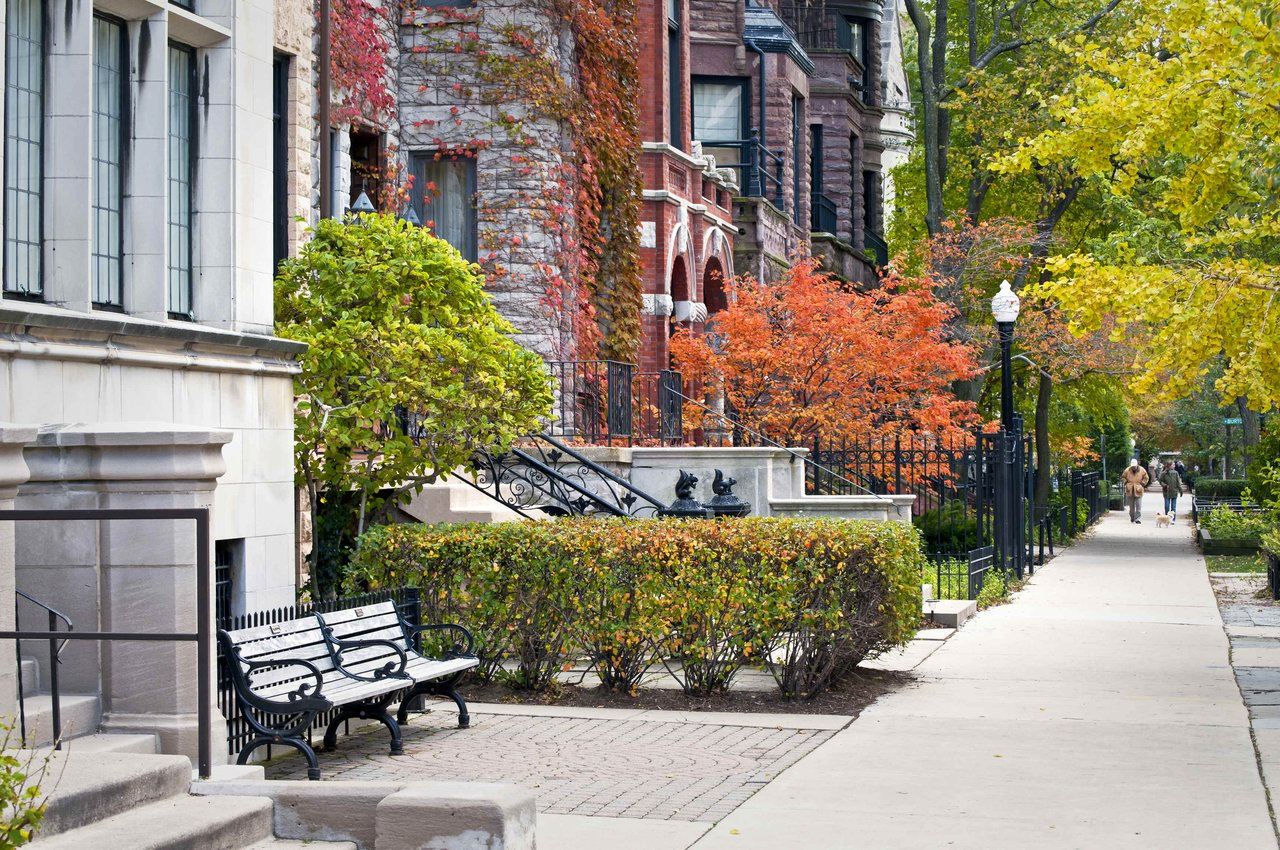
The official Uptown neighborhood brochure describes the area as a collection of distinct districts, including Asia on Argyle, Buena Park, Sheridan Park, the entertainment corridor, and the lakefront. That is helpful for buyers because Uptown does not feel like one uniform strip. Your block-by-block experience may differ depending on whether you want quicker train access, quieter residential streets, or easier walks to venues and dining.
Entertainment is part of the draw here. Official neighborhood materials highlight destinations like the Riviera Theatre, Aragon Ballroom, Black Ensemble Theater, Carol’s Pub, and the Baton Show Lounge, while the Chicago Architecture Center describes the Green Mill as one of the city’s most popular jazz venues and part of the Uptown Square Historic District.
Food is another reason buyers look closely at Uptown. The neighborhood brochure points to Southeast Asian restaurants around Argyle, along with Ethiopian and other global cuisines across the area. If your ideal neighborhood includes the ability to walk out for dinner without much planning, Uptown checks that box.
Lakefront access adds value
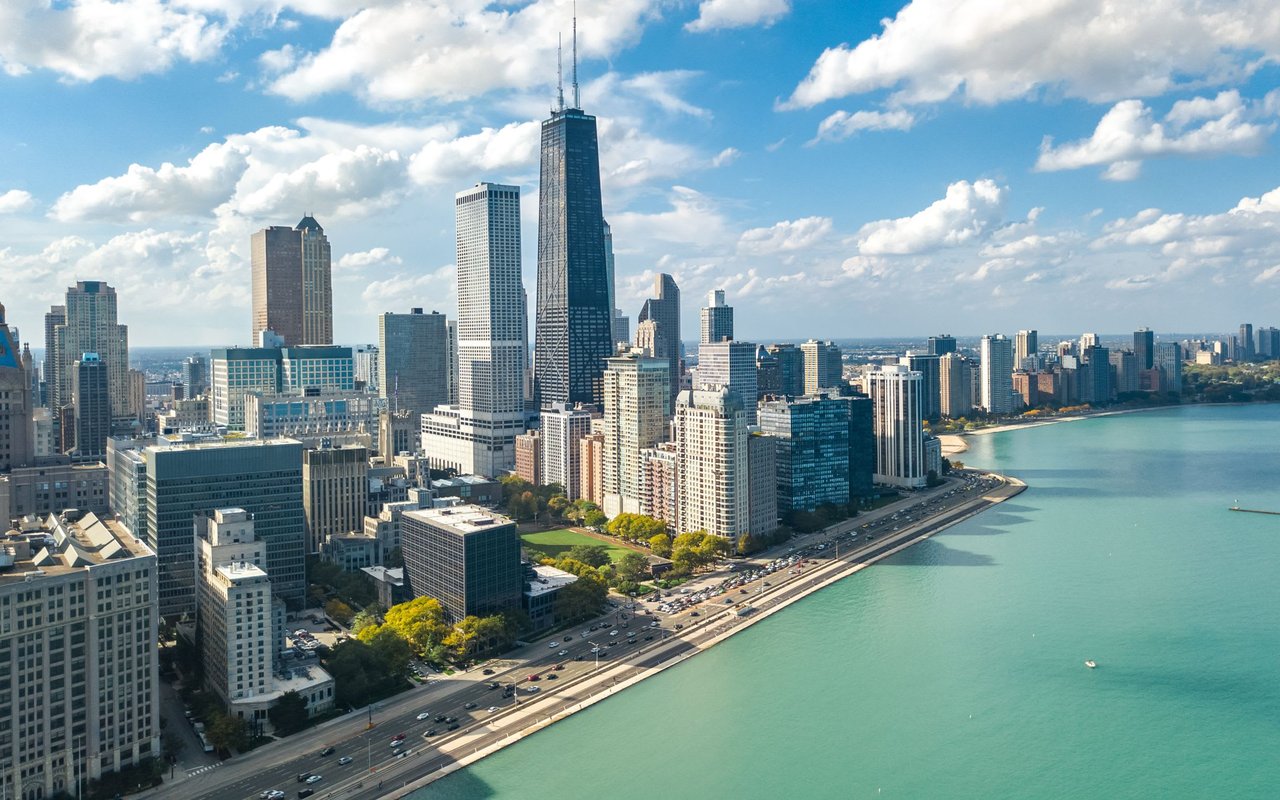
For many buyers, the lakefront is what takes Uptown from practical to especially appealing. Montrose Beach offers amenities including an ADA beach walk, concessions, kayak and volleyball rentals, showers, restrooms, a dog-friendly beach area, and a non-motorized boat launch.
That means your weekend options can look very different from those in a more inland neighborhood. A quick train ride or walk can connect you to the beach, the trail, and open space along Lake Michigan.
The Chicago Park District’s harbor system also includes Montrose Harbor, one of 10 harbors along 14 miles of shoreline. If you value being near the water, that broader lakefront network is a meaningful part of Uptown’s appeal.
What homes are most common
If you are searching near the Red Line in Uptown, it helps to align your expectations with the actual housing mix. This is not a neighborhood dominated by detached homes.
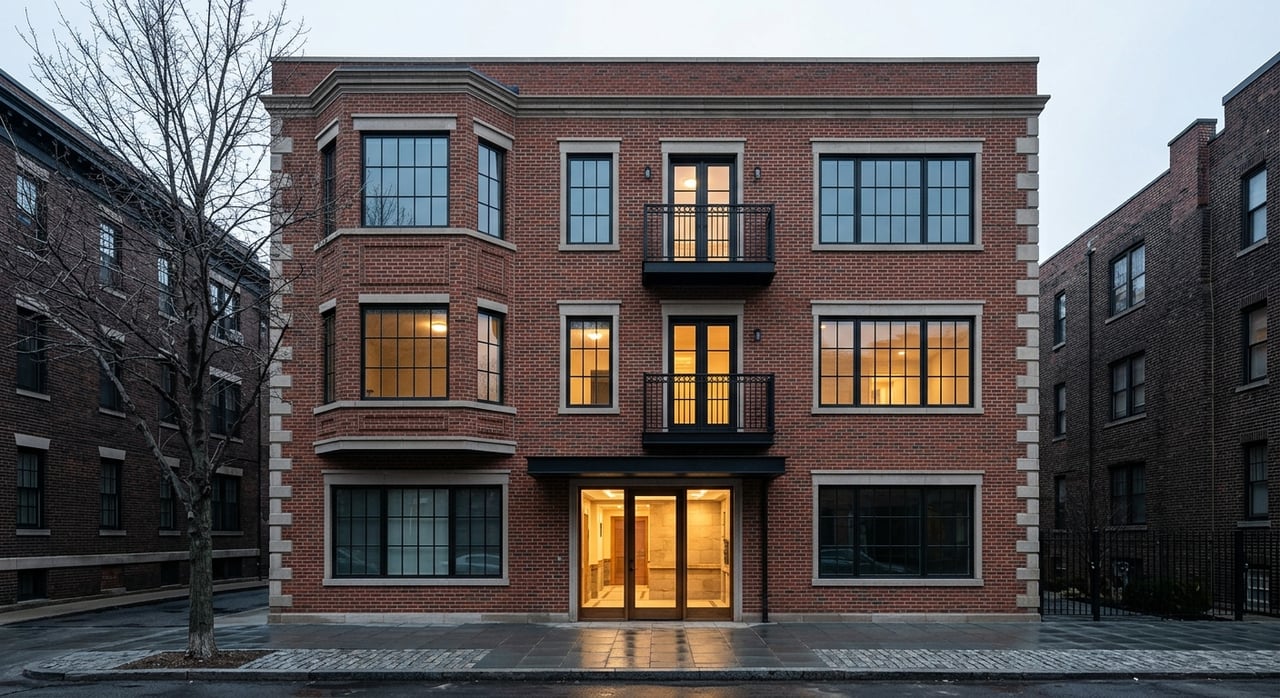
According to CMAP’s Uptown housing profile, 46.5% of housing units in 2023 were in 5 to 49 unit structures, and 38.8% were in buildings with 50 or more units. Only 5.3% were single-family homes. In practical terms, most buyers will spend more time touring condos, apartment-style buildings, courtyard properties, and mid-rise buildings than standalone houses.
The neighborhood also has a lot of older housing stock. CMAP reports that 44.7% of housing units were built in 1939 or earlier, with a median year built of 1947. At the same time, 10.7% of units were built in 2000 or later, so newer options do exist alongside vintage inventory.
That mix gives Uptown a broad architectural range. Some buyers are drawn to vintage details and established buildings, while others focus on newer finishes or updated common areas. A local example of adaptive reuse is The Teller House at 4753 N Broadway, which reopened in 2023 as a mixed-use apartment and office complex.
What the pricing suggests
Price always matters, especially if you are deciding between renting and buying. CMAP’s housing profile shows a median residential sales price of $315,000 in 2022 and a median purchase price of $355,000 for recent homebuyer loans in 2022 to 2023.
That does not mean every property fits neatly into those numbers, but it does provide a useful baseline. For many buyers, Uptown can present a path into ownership in a neighborhood with strong transit access and a broad set of amenities.
The same CMAP profile reports a median gross rent of $1,340 in 2023. If you are currently renting in the city and thinking about whether ownership could make sense, Uptown is one of the neighborhoods where that comparison is worth exploring carefully.
Who Uptown fits best
Uptown tends to work especially well for buyers who want a transit-first lifestyle. If you commute downtown, prefer not to rely heavily on a car, or want multiple ways to get around, the neighborhood offers a strong case.
It can also be a good fit if you are moving from renting into ownership. CMAP reports that 70.9% of occupied households are renter-occupied and 29.1% are owner-occupied, which helps explain why the neighborhood is often on the radar for first-time buyers making that next step.
Buyers who appreciate multifamily living may also feel at home here. If you are comfortable with condo buildings, HOA-managed properties, or apartment-style ownership, the local housing stock lines up well with those preferences.
Tradeoffs to keep in mind
Every neighborhood comes with compromises, and Uptown is no different. If you want a large supply of single-family homes, this may not be the easiest market because detached inventory is limited compared with condo and multifamily options.
Parking may also play a different role in your home search here than it would in a more car-dependent area. Since the neighborhood’s structure and transit network support car-light living, buyers often need to think carefully about how much parking matters to their day-to-day routine.
The upside is that many people see those tradeoffs as part of the value equation. If walkability, train access, entertainment, and lakefront living rank higher for you than a traditional detached-home setup, Uptown may feel like a very natural fit.
How to shop smarter near the Red Line
When you tour homes in Uptown, focus on how the location supports your real routine. A few extra minutes to one station versus another can matter, especially if you commute often or want the easiest path to restaurants, venues, or the lakefront.
It also helps to compare building types, not just listing photos. Vintage and newer properties can offer very different ownership experiences, from layout and finishes to building systems and monthly assessments.
Finally, think in terms of micro-location. Since Uptown includes several distinct areas, your best match may depend on whether you want to be closest to Wilson, Lawrence, or Argyle, or whether you prioritize being nearer to the entertainment corridor or the lakefront.
If you are weighing Uptown against other North Side options, working with a local team can help you compare tradeoffs clearly and move quickly when the right home appears. When you are ready for neighborhood-specific guidance, Cadence Realty can help you build a focused search and make a confident move.
FAQs
Which Red Line stops are most relevant for buying in Uptown?
- The main Uptown-area Red Line stops for buyers are Wilson, Lawrence, and Argyle, and CTA lists all three as accessible stations.
How walkable is Uptown for buyers without a car?
- Uptown is highly walkable, with a Walk Score of 93 and a Transit Score of 79, which supports car-free or one-car living for many households.
What types of homes are most common near the Red Line in Uptown?
- Most housing is in multifamily buildings, including condos, courtyard buildings, and mid- or larger-scale apartment-style properties, while single-family homes are limited.
What is the benefit of living near the lakefront in Uptown?
- Living near the lakefront gives you easier access to Montrose Beach, Montrose Harbor, and the Lakefront Trail, adding outdoor recreation to the neighborhood’s transit and dining appeal.
Is Uptown a good option for first-time buyers moving from renting?
- Uptown can be a strong option for first-time buyers because it has a renter-heavy population, a wide mix of multifamily housing, and price points that may offer an entry into ownership.