Thinking about a duplex, three-flat, or four-flat in Evanston? With steady renter demand near Northwestern and strong transit access, small multi-family buildings can deliver consistent income. In this guide, you’ll get a clear picture of prices, rents, rules, common rehab costs, and a simple pro forma to help you underwrite with confidence. Let’s dive in.
Evanston investor snapshot
Northwestern is a powerful anchor for year-round demand. The university enrolls about 22,800 students, plus faculty and staff, which helps stabilize leasing near downtown and the lakefront. You also benefit from fast connections on the CTA Purple Line and Metra UP-North, which keep Evanston attractive to commuters. Properties within walking distance of Davis, Main, and Central stations tend to draw stronger interest and pricing.
Nearly half of Evanston households rent. Census QuickFacts shows about 56.2% owner-occupied, which implies roughly 43.8% renter households. That balance supports a meaningful rental market without oversaturation, and it pairs well with seasonality tied to the academic calendar. Expect leasing spikes in late summer and early fall.
Prices and rents at a glance
Advertised Evanston rents run above Chicago averages. According to RentCafe, the city’s average apartment rent is about $2,598 per month, with bedroom-level benchmarks around $1,803 for studios, $2,394 for 1-bedrooms, and $3,276 for 2-bedrooms. These are broad averages, so actual rents vary by block, unit condition, and proximity to transit and downtown.
Recent small multi-family sales and listings show a wide band. Many 2-unit properties trade roughly in the $450,000 to $750,000 range, while some 3-unit buildings run $600,000 to $900,000, depending on location, lot size, and rehab level. Per-unit pricing often falls near $280,000 to $350,000 for updated 2-flats, while some 3-flats lower the per-unit figure due to scale. Prime locations near Davis, Main, and the lakefront typically command a premium.
What that means for returns
Evanston’s rent levels can support solid gross income, but returns hinge on realistic underwriting. Older buildings often carry above-average maintenance and capital reserves. Your cap rate will depend on achieved rents by unit type, operating expense discipline, and how you finance the deal.
Where demand is strongest
If you want faster lease-ups and strong renewal odds, target walkable, transit-rich hubs. Units near Davis, Main, and Central typically appeal to graduate students, young professionals, and commuters. These corridors combine shops, cafes, and rapid transit access.
North Evanston around Central Street tends to draw professionals and longer-term renters who value a calmer commercial strip and Metra access. Across the city, proximity to the CTA Purple Line and the three Metra stations (Main, Davis, Central) helps boost rent potential.
Seasonality tracks with the academic cycle. Listing in summer and structuring lease terms to align with fall move-ins can reduce vacancy risk near campus.
Rules that shape returns
Rental registration and inspections
Evanston requires annual rental registration and conducts inspections on a routine cycle. Fees apply at registration and renewal, and compliance is enforced. Unregistered rentals can face fines, so confirm a property’s status and any open violations before you offer.
RLTO updates for 2025
Evanston’s Residential Landlord and Tenant Ordinance includes expanded required disclosures and definitions of essential services, plus strengthened notice and fee rules. You must provide the RLTO summary with leases and follow the city’s procedures for notices and remedies. Build time and budget to update your lease language and onboarding process.
Zoning in flux
The city’s Envision Evanston 2045 process is revising zoning. Potential district consolidations and rule changes could affect missing-middle housing, building types, and heights. Check current zoning for your parcel and track updates before assuming you can add units or redevelop.
ADUs and short-term rentals
Accessory Dwelling Units are allowed but must be registered and inspected before long-term rental use. Short-term or vacation rentals fall under a separate licensing process. Confirm requirements early if your strategy includes a coach house or a furnished short-term unit.
Buildings and rehab priorities
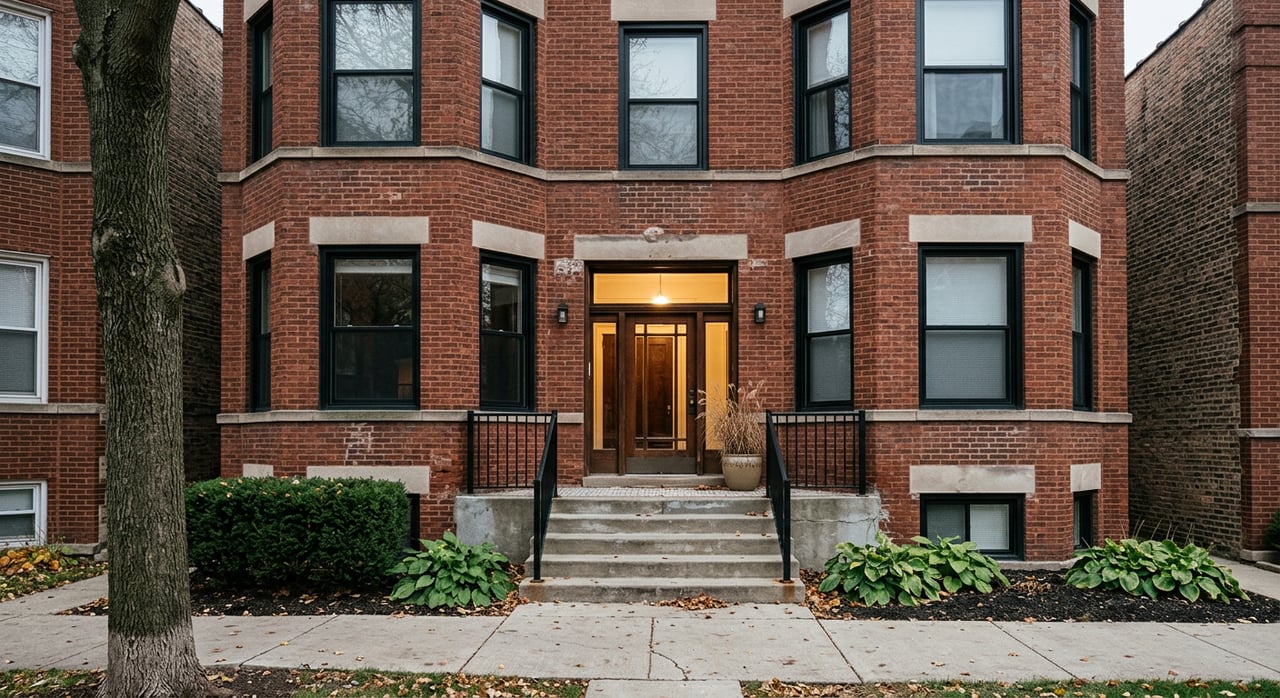
Evanston’s small multi-family stock often includes early 20th-century masonry buildings with strong envelopes and aging systems. Many have shared boilers, older electrical service, and dated kitchens and baths. Build a conservative capital plan and get contractor bids before you finalize price.
Common CAPEX priorities:
Roofing and gutters; masonry tuckpointing and lintel repairs for brick facades.
Boiler or furnace replacement and potential conversion to individual systems; water heater upgrades.
Electrical service upgrades, dedicated circuits for laundry and AC, and selective rewiring where needed.
Kitchen and bath updates that can drive material rent increases.
Basement waterproofing and moisture control to protect lower-level space.
Lead-paint compliance for pre-1978 buildings, including proper disclosures and lead-safe work practices during renovations.
Lead safety and disclosure context: RLTO update overview
Sample 3-unit pro forma
Use conservative assumptions and cross-check unit-by-unit rents. Here is a simple illustration based on current averages:
- Unit mix: two 1-bedrooms and one 2-bedroom.
- Rent assumptions: 1BR at $2,394 each; 2BR at $3,276. Gross monthly = $8,064; annual gross = $96,768. Source: RentCafe Evanston averages.
- Vacancy/loss: 5%. Effective gross income (EGI) = $91,930.
- Operating expenses: assume 40% of EGI for taxes, insurance, management, repairs, owner-paid utilities, and reserves = $36,772.
- Net Operating Income (NOI): $55,158.
- Purchase price assumption: $700,000. Unlevered cap rate ≈ 7.9%.
Financing will change cash flow. As a rule of thumb, if annual debt service consumes 60 to 75% of NOI, cash flow will be thin; a larger down payment or lower rate improves cushion. Always run multiple scenarios, pressure-test rents by location and finish level, and include realistic reserves for roof, boiler, and electrical upgrades.
Evanston vs nearby Chicago
Evanston often commands a rent premium over citywide Chicago averages. Recent snapshots show Evanston near $2,598 for average rent versus Chicago closer to the mid-$2,400s, with the premium concentrated near downtown Evanston and the NU corridors. For investors, the tradeoff is higher acquisition prices and more compliance work in exchange for diverse tenant demand and strong transit connectivity.
Due diligence checklist
Use this list to tighten your underwriting before you offer:
- Pull recent 2–4 unit comps and normalize by bed count, finish level, and proximity to transit and downtown.
- Verify parcel zoning and track Envision Evanston 2045 changes for your lot.
- Confirm rental registration status, inspection history, and any open violations.
- Review current leases, rent roll, deposits, and whether units are separately metered.
- Estimate a realistic expense ratio and set aside reserves for roof, boiler/furnace, electrical, and moisture mitigation.
- Price kitchen and bath updates and plan a rent strategy tied to the work.
- Confirm parking situation and marketability of any on-site spaces or garages.
- Check property tax history and assessment trends through Cook County records.
- If near campus, align lease terms with the academic calendar to reduce vacancy.
- For ADUs or short-term plans, confirm city registration and licensing paths.
Helpful links:
How Cadence Realty helps investors
You deserve a clear plan, accurate numbers, and a smooth process. Cadence Realty pairs hyperlocal North Side and near-north suburb expertise with tech-enabled tools to help you source, underwrite, and close the right Evanston 2–4 unit property. You get tailored comps, rental pricing guidance, RLTO-aware lease support alongside your attorney, and a renovation roadmap that connects scope to rent outcomes.
Whether you are local or remote, our My Search Portal and MLS-integrated process keep you ahead of listings, price changes, and deadlines. If you want a boutique team that moves quickly, communicates clearly, and knows how to translate Evanston’s rules into a workable investment plan, we are ready to help. Schedule a concierge consultation with Cadence Realty.
FAQs
What are average Evanston rents today for 1BR and 2BR units?
- RentCafe reports averages of about $2,394 for 1-bedrooms and $3,276 for 2-bedrooms, with a citywide average rent near $2,598.
How do Evanston’s landlord rules affect small multi-family owners?
- You must register rentals annually, pass routine inspections, and comply with the city’s RLTO, which sets disclosure, notice, and essential services standards.
How does Northwestern University influence rental demand in Evanston?
- Northwestern’s roughly 22,800-student community and staff create stable, transit-oriented demand near downtown, campus, and the lakefront year-round.
Are ADUs allowed as rentals in Evanston?
- Yes, ADUs are permitted but must be registered and inspected before long-term rental use; short-term rentals require separate licensing.
What capital expenses should I budget for in older Evanston buildings?
- Plan for roof and masonry work, heating and water systems, electrical upgrades, kitchen and bath refreshes, basement moisture control, and lead-safe compliance for pre-1978 units.
When is the best time to lease units near campus?
- Late summer through early fall aligns with the academic calendar and can reduce vacancy for student-oriented units.
How should I think about cap rates in Evanston small multis?
- Cap rates vary by building and location; using average rents and mid-range pricing, a sample 3-unit under conservative assumptions modeled around 7.9% unlevered in our illustration.