Torn between a sky-high lake view and the charm of a leafy courtyard? If you are condo shopping in Edgewater, you face a very real choice between Sheridan Road high-rise living and classic courtyard or walk-up buildings farther west. Each offers a distinct lifestyle, cost profile, and commute pattern. In this guide, you will learn the key differences so you can choose with confidence. Let’s dive in.
Edgewater at a glance
Edgewater sits on Chicago’s North Side, roughly between Devon to the north, Foster to the south, Ravenswood to the west, and Lake Michigan to the east. The area includes lakefront enclaves like Edgewater Beach and the Bryn Mawr Historic District. You will find a continuous corridor of towers along the lake and older, low-rise buildings inland that shape very different day-to-day experiences. For background on the neighborhood layout and history, explore the overview of Edgewater’s boundaries and subareas on Wikipedia.
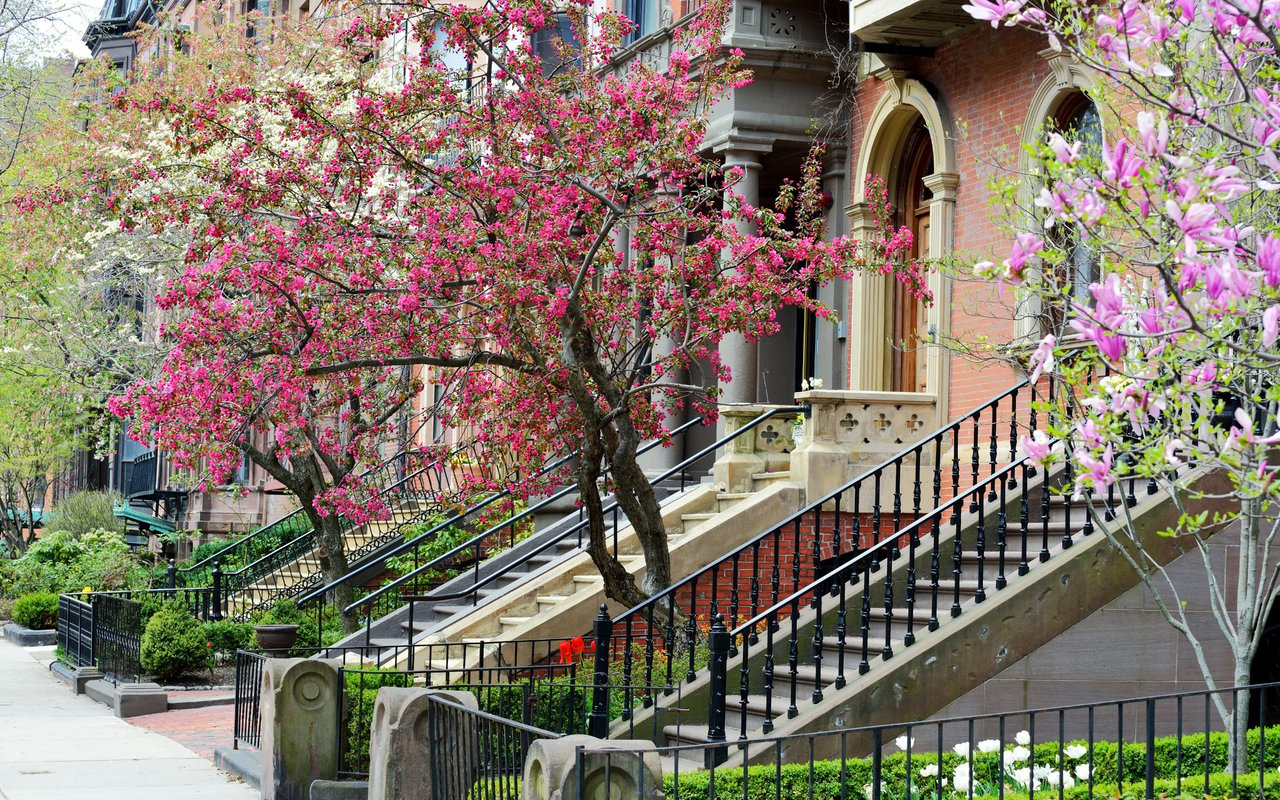
West of the lakefront, Edgewater’s pre-war courtyard and walk-up buildings date largely from 1905 to 1930. These structures were often converted to condos later on and feature traditional masonry, smaller associations, and landscaped courtyards. The Edgewater Historical Society documents a high concentration of courtyard buildings on streets like Kenmore and Winthrop, which helps explain the neighborhood’s quieter, residential feel away from Sheridan.
What you get in a lakefront high-rise
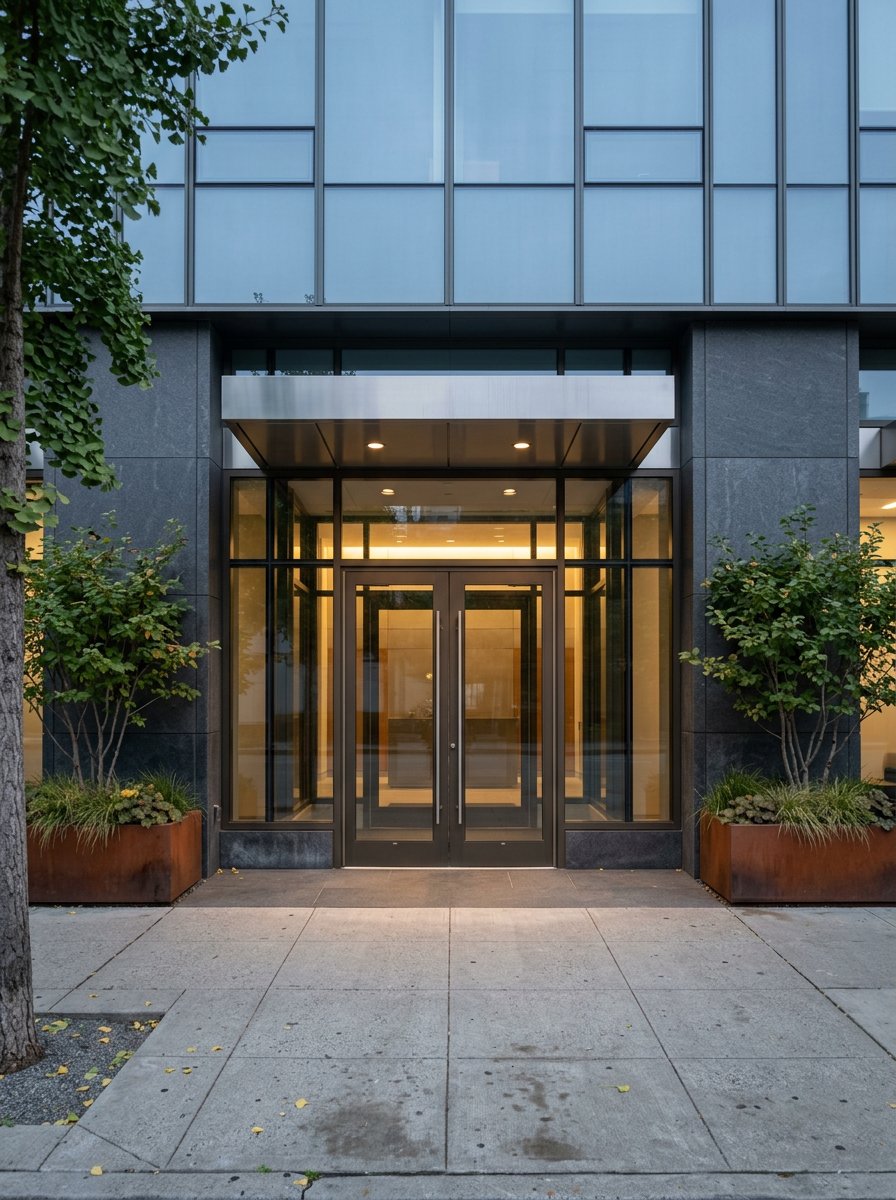
Lakefront high-rises along Sheridan Road are mostly mid-century and later towers. They are the neighborhood’s primary “lake-view” option. You will often see a doorman, on-site management, fitness rooms, pools or roof decks, package rooms, and bike storage. Many buildings also have indoor or attached garage parking that is rented or sold separately.
Monthly assessments are higher on average because they fund building staff, shared amenities, and sometimes bundled utilities like heat, water, cable, internet, or building-wide HVAC lines. Those inclusions can offset other monthly bills, but they increase your base HOA. Always check exactly what is included in the assessment for any given building.
Daily life in a high-rise centers on views, convenience, and easy access to the lake. You are closer to beaches and the Lakefront Trail. Traffic and activity along Sheridan can be busier, especially near Lake Shore Drive access points. If you value a staffed building, full amenities, and sunrise over the water, a high-rise may be your best fit.
What you get in a courtyard or walk-up
Courtyard and walk-up condos trade elevators and doormen for classic details, tree-lined blocks, and a more intimate scale. Associations are smaller, sometimes self-managed or lightly staffed. Many owners choose these buildings for the feel of a traditional residential street and the appeal of landscaped courtyards or small private outdoor spaces. The Edgewater Historical Society’s building inventory highlights just how common this style is in the neighborhood.
Assessments can be lower when there are fewer shared services. That said, a small association can see per-unit fees rise when major projects come due, like roof or masonry work. You may also find in-unit laundry and private decks in some units, which can be a high priority for many buyers. Parking varies widely. Many buildings rely on street permit parking, leased surface spaces, or small garages.
If you want immediate access to neighborhood retail, you will typically be closer to Broadway, Bryn Mawr, and Andersonville from these inland addresses. That can mean an easier walk to coffee, groceries, and restaurants, while the lakefront is a longer stroll.
Price reality check
Headline medians for Edgewater sit in the mid 200s in recent market snapshots, but that number blends very different product types. The lakefront subarea known as Edgewater Beach often shows a lower median in public portals because of the mix of studios and older co-op units, alongside some large combined homes. Within each building type, prices swing based on size, condition, floor height, view, and parking.
- High-rise towers can offer small studios near the low 100s and large, combined or high-floor 2 to 3 bedroom homes that reach into the upper 400s to 600s depending on size and finish level.
- Courtyard and walk-up condos often present lower entry prices for one-bedrooms and smaller two-bedrooms. Renovated or larger layouts, especially with outdoor space, can push higher.
Treat medians as a starting point, not a promise. Always compare by building type, layout, view, parking, and amenity set.
Monthly costs and assessments
Understanding what your assessment covers is essential. In full-amenity towers, assessments often include building staff, common insurance, heat and water, and sometimes cable or internet. Garage parking is common, though it may be a separate rental or deeded purchase. These inclusions simplify life but raise the base fee.
In courtyard or walk-up associations, you may see fewer shared services. That can lower operating costs, though small associations have fewer units to share big-ticket projects. Items like roof replacement, exterior masonry, window systems, and plumbing risers are common drivers of special assessments in Chicago buildings. Ask to see the budget, recent capital projects, and reserve funding.
Financing can also be affected by building health. In response to nationwide building failures, Fannie Mae created project eligibility rules that require lenders to review reserve funding, critical repairs, and special assessments before approving loans. Projects with serious deferred maintenance may be ineligible for certain financing. Review the current rules at Fannie Mae’s guidance on condo and co-op projects. Confirm eligibility with your lender early so you can plan your search and offer strategy.
What to request during condo-doc review
- Current budget and year-to-date income versus budget
- Reserve study and percent-funded figures, plus the contribution schedule
- Board meeting minutes for the past 12 to 36 months
- Estoppel or resale certificate listing any voted or pending special assessments
- Insurance declarations and carrier info
- Any engineering reports for envelope, elevator, parking, or riser work
These items help you judge near-term assessment risk and long-term building stability. They are also aligned with lender expectations under current Fannie Mae project review standards.
Commute, parking, and daily life
Edgewater is served by the CTA Red Line and local buses, including express service along Sheridan. Stations like Thorndale, Bryn Mawr, and Berwyn line up well with where most buyers live. Typical Red Line rides from Bryn Mawr or Granville to the Loop take about 30 to 40 minutes depending on the time of day. The CTA’s current Red and Purple Modernization program is improving station access and amenities. You can read more about planned work and timelines on the CTA’s RPM overview.
Walking distance to transit will vary by a few blocks depending on whether you live east by Sheridan or west toward Broadway and Andersonville. For a station-specific snapshot, see the Bryn Mawr CTA Station page.
Parking is a major lifestyle divider. High-rises more often provide on-site garage options, usually rented month to month or transferred with a unit. Courtyard buildings often rely on street permit parking or limited surface spaces. If you own a car or plan to buy one, weigh the reliability and cost of parking in each building type.
Which one fits your lifestyle?
- You want a lake lifestyle and building services. Choose a high-rise if daily access to the beach and Lakefront Trail, a staffed lobby, and on-site amenities outweigh higher assessments and busier street fronts.
- You value classic architecture and quiet streets. Choose a courtyard or walk-up if you prefer smaller associations, traditional details, and closer proximity to Broadway, Bryn Mawr, or Andersonville retail.
- You are assessment-sensitive but want predictability. Compare inclusions line by line. A higher HOA that covers heat, internet, and amenities may balance your total monthly spend.
- You must have parking. High-rises usually make parking simpler, while walk-ups can be more variable. Confirm availability, costs, and waitlists before you fall in love with a unit.
Quick comparison checklist
Use this list during tours and attorney review to keep your options straight.
- Building era and type. Mid-century tower or 1910s courtyard. Verify construction type and major mechanical systems.
- Unit layout and size. Studio, one-bed, or combined larger plan. Consider floor height and view in towers.
- HOA inclusions. Heat, water, cable, internet, gym, pool, doorman, and parking. Note which utilities remain your responsibility.
- Reserves and planned work. Reserve study date and percent funded. Minutes that mention bids, projects, or special assessments.
- Estoppel or resale certificate. Confirm any voted or pending assessments and delinquency rates, in line with Fannie Mae review items.
- Parking. Deeded, assigned rental, waitlist, or street permit. Clarify transfer rules and monthly fees.
- Transit access. Walking time to Red Line stations such as Bryn Mawr, Thorndale, or Berwyn, plus express bus options along Sheridan. Review CTA RPM improvements for station changes.
- Noise and environment. Lakefront activity and traffic vs interior residential blocks and landscaped courtyards.
- Management model. Professional on-site management or self-managed board. Ask about on-site engineer or 24-hour staff for towers.
How Cadence Realty helps you decide
Choosing between Edgewater’s high-rise convenience and courtyard charm comes down to the lifestyle you want and the numbers that make sense. You should see a clear picture of assessments, reserves, parking, transit, and resale potential before you write an offer. Our team pairs hyperlocal North Side expertise with modern tools to make that process easy. We will help you compare buildings, request the right documents, and understand financing impacts under current condo guidelines.
Ready to tour Edgewater condos and find your best fit? Schedule a concierge consultation with Cadence Realty.
FAQs
What is the main difference between Edgewater high-rises and courtyards?
- High-rises along Sheridan emphasize lake views, amenities, and building staff, while courtyard and walk-up buildings west of Sheridan focus on classic architecture, smaller associations, and quieter residential streets.
How do HOA assessments compare between building types in Edgewater?
- Towers often have higher assessments that include staff, amenities, and some utilities, while courtyards may have lower overhead but can see higher per-unit costs during major capital projects.
How will financing be affected by a building’s maintenance or special assessments?
- Lenders follow rules that review reserves, critical repairs, and special assessments, so buildings with significant deferred maintenance can limit financing options; see Fannie Mae’s condo project guidance for context.
What are Edgewater’s transit options for daily commuting?
- The CTA Red Line serves stations like Bryn Mawr, Thorndale, and Berwyn, plus express bus routes on Sheridan; station upgrades are underway under the CTA Red and Purple Modernization.
Where can I verify Edgewater’s neighborhood boundaries and building history?