Wondering if it is finally time to trade extra square footage for an easier daily routine? If you own a larger home in Oak Park, downsizing to a condo or townhome can simplify maintenance, improve walkability, and help you reshape your monthly budget without leaving a community you know well. The key is knowing how Oak Park’s attached-home options, association rules, parking realities, and local closing steps fit your goals. Let’s dive in.
Why Oak Park Works for Downsizers
Oak Park offers a strong setup for people who want a more compact lifestyle without giving up convenience. The village covers just 4.7 square miles, has about 54,583 residents, and offers access to the CTA Blue and Green lines, 17 bus routes, and one Metra commuter line.
That transportation access matters if you want to drive less or stay connected to Chicago and nearby suburbs. Oak Park also has a Walk Score of 78 and a Transit Score of 61, which supports the appeal of moving into a more manageable home near everyday destinations.
What Downsizing Can Look Like Here
Downsizing in Oak Park does not mean there is only one type of property to choose from. In today’s market, condos and townhomes often serve different needs, price points, and lifestyle preferences.
Redfin reported an overall Oak Park median sale price of $340,000 in March 2026, with homes selling in about 46 days on average. Current 60302 condo inventory shows a median price around $225,000, while recent 60302 townhome listings have ranged from roughly $480,000 to $625,000.
That spread suggests condos are often the more affordable path if your goal is to reduce both space and upfront cost. Townhomes may still work well if you want more room, but they can come with meaningfully higher purchase prices and monthly carrying costs.
Condo vs. Townhome in Oak Park
Before you start touring, it helps to get clear on what you are really buying. For many downsizers, the choice is less about property type and more about the day-to-day tradeoffs.
| Option |
What You May Gain |
What To Watch |
| Condo |
Lower price point, less maintenance, possible utility coverage in assessments, easier lock-and-leave living |
HOA assessments, shared building rules, parking limitations, less private space |
| Townhome |
More square footage, garage parking in some cases, more separation from neighbors |
Higher prices, HOA fees around $410 to $475 in current examples, more stairs, higher carrying costs |
Current condo listings in 60302 show many of the features downsizers often want most. Those include assigned parking, in-unit stackable laundry, storage, central air, and in some buildings, assessments that include heat, gas, and water.
Townhomes are a different product class. Recent listings point to garage parking, more interior space, and a more vertical layout, which can be appealing for some buyers but less appealing if your goal is to reduce stair use.
Features Worth Prioritizing
When you downsize, every feature matters more because you are asking a smaller home to work harder for you. It helps to decide early which items are truly non-negotiable.
Start with practical needs like parking, laundry, storage, and air conditioning. In Oak Park, those details can have a major impact on both price and convenience.
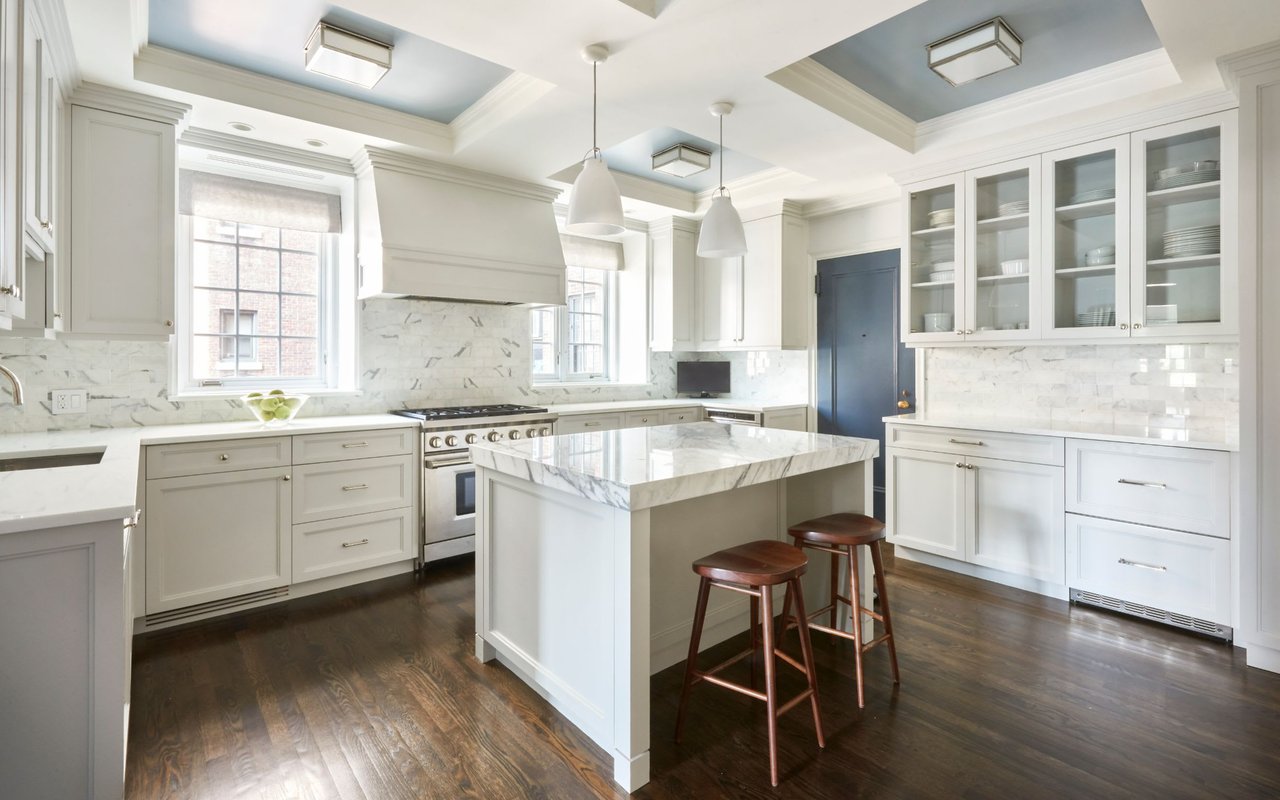
You may also want to think about character versus simplicity. Oak Park condo inventory includes vintage units with hardwood floors, tray ceilings, moldings, large windows, and updated kitchens, which can be a great fit if you want less space without giving up architectural charm.
A helpful shortlist might include:
- Assigned or garage parking
- In-unit laundry
- Extra storage
- Elevator access if stairs are a concern
- Central air
- Assessment inclusions such as heat, gas, or water
- Layout efficiency, not just square footage
- Proximity to transit, shops, and daily errands
Best Oak Park Areas to Start
If walkability is part of the reason you are moving, your micro-location matters as much as the unit itself. Oak Park has a few areas that tend to stand out for downsizers who want amenities nearby.
Downtown Oak Park
The village describes Downtown Oak Park as its central commercial district, about 10 miles west of the Loop, with parking and public transit access. If you want easy access to shops, dining, and trains, this is one of the most obvious starting points.
Hemingway District
The Hemingway District is described by the village as a transit-oriented district steps from the CTA Green Line Oak Park station. That can be especially appealing if you want a car-light lifestyle or a simpler commute pattern.
Arts District
The Arts District runs along Harrison Street from Austin to Ridgeland. If you want a walkable setting with a distinct local business corridor, it is another area worth exploring.
Don’t Overlook Parking Costs
Parking can shape your experience more than many buyers expect. Oak Park says parking space is a scarce resource, and resident parking permits currently run from $222 to $332 per quarter, plus Cook County tax.
That means parking should be confirmed before you write an offer, not after. If a building includes assigned parking, that may add meaningful value even if the list price is higher.
Oak Park’s bike planning also supports a car-light lifestyle. The village says its neighborhood greenways are intended to connect transit hubs, local businesses, and other destinations, which may reduce how much you rely on a car.
Build the Full Monthly Budget
A lower purchase price does not always mean a lower monthly cost. This is one of the biggest points to think through before making a move.
Your real budget should include:
- Mortgage payment
- Property taxes
- HOA or condo assessment
- Insurance
- Utilities
- Parking or permit costs
- Possible future special assessments
In Oak Park, the price gap between a detached home and a condo can create a chance to free up equity. Still, that gap can narrow quickly if you choose a premium condo or a larger townhome with higher fees.
Review HOA Documents Early
Association documents are not just paperwork. They are one of the clearest ways to understand the health and expectations of a condo or townhome community.
Under Illinois law, condominium boards must prepare and distribute a detailed annual budget covering common expenses and assessments. For resale transactions, sellers must be able to provide important documents and disclosures, including the declaration, bylaws, rules, assessment status, reserve fund status, anticipated capital expenditures, financial condition, pending suits, and insurance coverage.
Reviewing those materials early can help you spot issues before you commit. It can also give you a better sense of whether the association is planning well for maintenance and future costs.
A few items to review closely include:
- Annual budget
- Reserve fund status
- Current assessments
- Planned capital projects
- Insurance coverage
- Pending litigation
- Rules that affect daily living
- Any special assessment exposure
Illinois law also states that a condo association cannot refuse a sale solely because a buyer is using FHA-backed financing or for discriminatory or otherwise unlawful reasons. That can offer added clarity as you evaluate financing options.
If You’re Selling First, Start Early
If your downsizing move begins with selling a larger Oak Park home, local transfer requirements matter. Starting these steps early can help prevent closing delays.
In Oak Park, buildings with four or more dwelling units cannot be sold unless the seller provides a village presale inspection report dated within 120 days of closing. The request must be made at least two weeks before closing.
Oak Park also charges real estate transfer tax stamps at $8 per $1,000 or fraction of the full contract price. Before those stamps are issued, all outstanding utility charges must be paid, and condo sales involving a shared common water meter require a notarized Condo Association Water and Sewer Charges Affidavit or a paid assessment letter.
A Smart Downsizing Plan
A smooth move usually starts with a clear definition of success. Instead of asking only how much space you want to give up, ask what you want to gain.
For example, your goal might be:
- Less exterior maintenance
- Better walkability
- Fewer monthly housing costs
- Easier parking
- Better transit access
- Less unused space
- A lock-and-leave setup for travel
Once that is clear, choose the location first, then the property type, then the unit features. In Oak Park, that approach can help you avoid overpaying for space or settling for a location that does not improve your daily life.
If you want a smaller home that still feels like Oak Park, there are real options here. The right condo or townhome can give you less upkeep, good access to transit and amenities, and a layout that better fits how you live now.
If you are thinking about downsizing in Oak Park and want practical, local guidance on your next move, schedule a concierge consultation with Cadence Realty.
FAQs
What is the price difference between condos and townhomes in Oak Park?
- Current Oak Park data shows 60302 condos around a $225,000 median price, while recent 60302 townhome listings have ranged from about $480,000 to $625,000.
What features should downsizers look for in an Oak Park condo?
- Common priorities include assigned parking, in-unit laundry, storage, central air, efficient layouts, and assessments that may cover utilities like heat, gas, or water.
What Oak Park areas are most walkable for downsizers?
- Downtown Oak Park, the Hemingway District, and the Arts District are the main walkable, amenity-rich areas identified by the village.
What condo documents should buyers review in Illinois?
- Buyers should review the association budget, bylaws, rules, assessment status, reserve fund status, anticipated capital expenditures, insurance coverage, and any pending litigation.
What local closing steps matter when selling in Oak Park?
- Sellers should plan ahead for presale inspection requirements where applicable, utility payoff, transfer tax stamps, and any required condo water and sewer affidavit or paid assessment letter.
How important is parking when downsizing in Oak Park?
- Parking is a major factor because Oak Park says parking space is scarce, and resident permit costs can be significant, so it is smart to confirm parking details before making an offer.