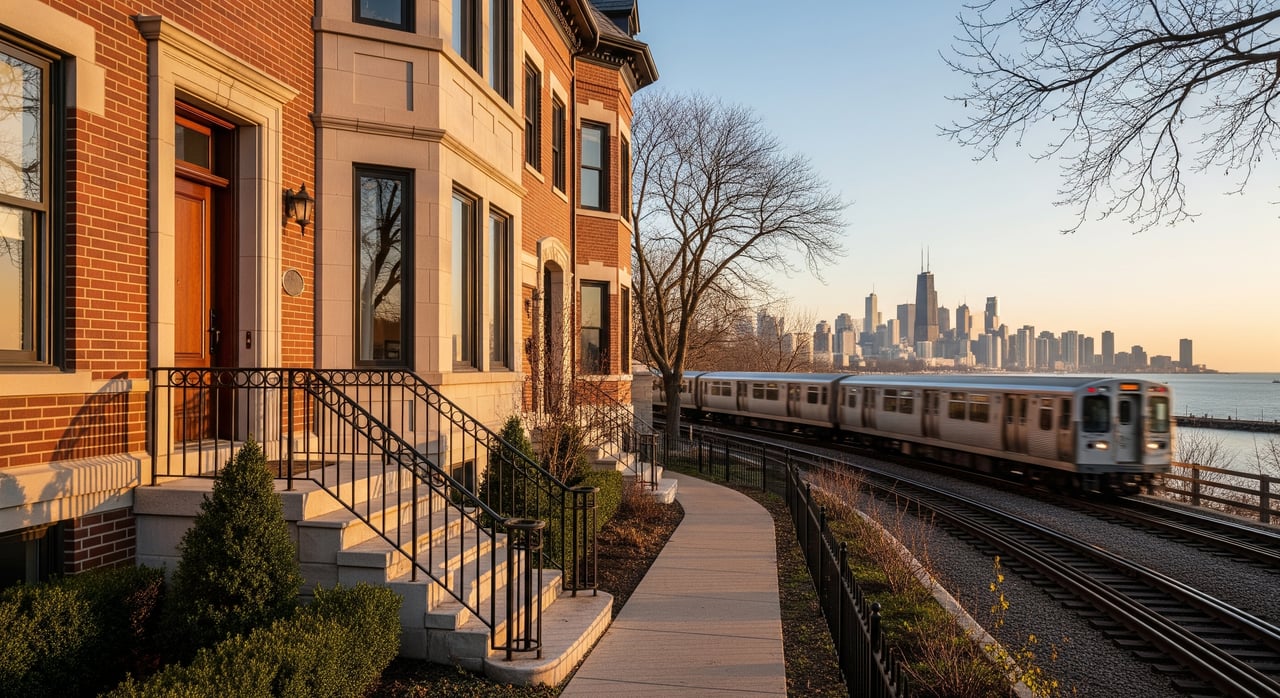
If you are weighing a move to Evanston, your commute might be the deal maker. Choosing between the CTA Purple Line and Metra’s Union Pacific North changes not only how fast you get to work, but also the kind of neighborhood and home that fit your lifestyle. You want a smooth ride, flexible options, and a location that feels right day and night. In this guide, you will learn the key tradeoffs, how each system works for common Chicago commutes, and what this means for your home search in Evanston. Let’s dive in.
Evanston transit at a glance
CTA Purple Line
The CTA Purple Line serves multiple Evanston stations with frequent, local rapid transit. It connects south to Chicago’s broader CTA network, with transfers at Howard. It is built for frequent stops and easy connections across the city. You can review routes and hours on the official CTA Purple Line schedules and map.
What it’s great for: flexible schedules, mid-day trips, and access to many Chicago neighborhoods without needing a strict timetable.
Metra Union Pacific North
Metra’s UP-N line links Evanston to downtown Chicago’s Ogilvie Transportation Center with fewer stops and faster peak-hour trips. It is well suited for peak-direction commuters who want a seated, comfortable ride. For current timetables, see Metra maps and schedules.
What it’s great for: faster peak-period rides to the Loop and a park-and-ride approach for drivers.
Buses, bikes, and parking
Local bus routes connect neighborhoods to stations and help with first and last mile. Evanston’s walkable areas near stations make walking and biking practical for many riders. Metra stations commonly offer parking options and drop-off areas, while CTA stations tend to sit within dense, walkable retail nodes with limited on-site parking.
CTA vs Metra: how to choose
Travel time and routing
If you work in or near the Loop, Metra often offers a shorter in-vehicle ride during peak hours because it has fewer stops and higher speeds. The CTA often involves a transfer at Howard to reach other lines, so total door-to-door time depends on your wait and transfer. If your office sits within the broader CTA network or in North Side neighborhoods, the CTA can be as fast or faster because of direct access and frequent service.
Frequency and flexibility
The CTA runs more often all day and on weekends. It is designed so you rarely need to check a timetable for mid-day travel. Metra’s schedule is focused on morning and evening peaks. Off-peak and weekend service exists but runs less frequently. If your hours vary, CTA flexibility has real value. If your schedule is fixed, Metra’s peak trains may be ideal.
Costs and passes
The CTA uses a flat-fare model with transfers and pass options under Ventra. You can review current options on the CTA fares page. Metra uses distance-based zones and offers ticket books and passes that can be efficient for daily riders. See Metra tickets and fares for details.
Practical tip: compare a monthly Metra pass to your likely CTA costs, including transfers. If you plan to drive and park at a station, include parking fees. Employer transit benefits can change the real out-of-pocket cost.
Comfort and onboard experience
Metra cars offer wider seats and more space, which can make longer rides more comfortable. CTA cars are built for standing capacity and frequent stops. They are ideal for short, urban trips and easy transfers.
Reliability and hours
Both systems can face delays at times due to weather, signals, or track constraints. Riders who need strict schedule reliability should review official system updates and on-time performance data. If you ride late at night or on weekends, the CTA’s extended hours and frequency typically provide more options. Always confirm current schedules before you commit to a routine.
Accessibility and station environments
Many stations on both systems are ADA accessible. Before you lock in a commute plan, confirm the stations you intend to use. You can start with CTA accessibility resources and Metra accessibility information. Station surroundings vary too. CTA stops in downtown Evanston area are active and walkable, while Metra stations can feel quieter. Visit at the times you would travel to see what feels comfortable to you.
Neighborhood tradeoffs for buyers
Living near CTA stations
Homes near CTA stations in Evanston often include mid-rise condos, classic walkups, and mixed-use buildings. You typically get strong walkability and quick access to retail, dining, and transit connections. Lots and garages can be smaller and curb parking more limited. If you want frequent trains and a lively, urban-suburban feel, this setup can be a great match.
Living near Metra stations
Areas near Metra often feature more single-family homes and duplexes, along with station parking and quieter residential blocks. Lots can be larger and garages more common. If you expect to drive to the station and value a faster peak-period ride into downtown, this mix can be a good fit.
Price patterns and noise considerations
Properties close to transit and retail tend to hold strong demand for their convenience. Homes in single-family pockets near Metra can also command premiums for lot size and car-friendly access. Exact pricing varies and can shift with inventory, parking availability, and proximity to the tracks or busy streets. Transit noise is a real factor for some buyers. Orientation, building construction, and distance from the tracks matter, so try to visit at different times of day to gauge sound and activity.
Which lifestyle fits you
- You value walkability, frequent off-peak trips, and quick transfers across Chicago: lean toward a CTA-oriented location.
- You want a comfortable, faster peak commute to the Loop and will park-and-ride: lean toward a Metra-oriented location.
- You are hybrid or remote a few days a week: balance both. CTA proximity helps with flexibility. Metra can still win on the days you go downtown.
Decision checklist for your search
Use this quick list to pressure-test each home you tour:
- Primary workplace location. Is it in the Loop, West Loop, River North, a North Side neighborhood, or a suburban office? Which system connects most directly?
- Typical schedule. Fixed 9 to 5, or variable hours and mid-day trips? Do you ride weekends or late nights?
- First and last mile. Are you comfortable walking or biking year-round? Do you need bus or rideshare back-up?
- Vehicle plan. Do you need a driveway or garage? Will you park at a Metra station?
- Budget. How do pass costs, parking, and location premiums affect your monthly total?
- Lifestyle. Do you prefer a lively, walkable hub or quieter residential blocks with larger lots?
If you want help comparing routes and timing, the RTA and the agency sites provide current maps and schedules. You can also use common trip planners to test door-to-door options during your actual commute window.
First and last mile strategies
- Walk or bike to the station if you are within about a half to one mile and feel comfortable with the route.
- Use local bus routes for colder or rainy days to keep your plan flexible.
- Consider a rideshare or drop-off zone near stations for early or late trips.
- For park-and-ride, check Metra station permit requirements, lot capacity, and overflow rules before you rely on a specific spot.
- Confirm bike parking and accessibility features at the stations you will use.
Sample commute profiles
Loop commuter with fixed hours
You work standard hours near the Loop and want a predictable ride with a seat. A home near a Metra station or within a short drive to station parking is a strong option. Compare a monthly Metra pass to the cost of CTA with transfers and any station parking fees.
North Side mover with flexible days
You split your time across North Side neighborhoods for meetings. Living near a CTA Purple Line stop gives you frequent trains and faster connections to the Red Line and beyond. This can save time for mid-day trips without watching a timetable.
Hybrid worker, office two to three days a week
You need flexibility most days, but still want a smooth ride downtown on office days. A location that is walkable to CTA and within an easy drive or bus ride of Metra keeps both options open.
How Cadence guides your commute-first search
A commute can shape your day and your budget, so you deserve a plan that fits both. Our team helps you weigh door-to-door options, compare neighborhood tradeoffs, and set up searches that prioritize the stations and routes that match your life. We can tailor your My Search Portal to target walk times to CTA or Metra, filter for parking needs, and flag homes that align with your schedule.
When you are ready, we will preview neighborhoods, confirm station access, and coordinate tours around your typical commute times. If you want concise, tech-enabled support with a boutique touch, you are in the right place. Schedule a concierge consultation with Cadence Realty.
FAQs
Which is faster from Evanston to downtown Chicago at rush hour?
- Metra typically offers a shorter in-vehicle ride during peak periods, but your door-to-door time depends on station access, transfers, and waiting. Test both options during your actual commute window.
How frequent are CTA Purple Line trains for Evanston riders?
- The CTA provides higher frequency throughout the day and stronger off-peak service than Metra. Always verify current times on the CTA Purple Line page.
Are weekend and late-night options better on CTA or Metra?
What should I know about parking at Evanston stations?
- Metra stations often include parking lots and permit systems, which work well for park-and-ride. CTA stations sit in denser, walkable areas with limited parking. Verify rules and capacity before you commit to a routine.
Will living close to train tracks hurt resale value?
- Transit proximity usually supports long-term demand due to convenience. Immediate proximity can introduce noise, so evaluate building orientation, insulation, and exact lot placement before you decide.