Thinking about trading city density for a little more breathing room without losing your connection to Chicago? Wilmette is often part of that conversation for a reason. If you are weighing space, commute options, housing costs, and day-to-day lifestyle, this guide will help you understand what moving from the city to Wilmette can really look like. Let’s dive in.
Why Wilmette draws city buyers
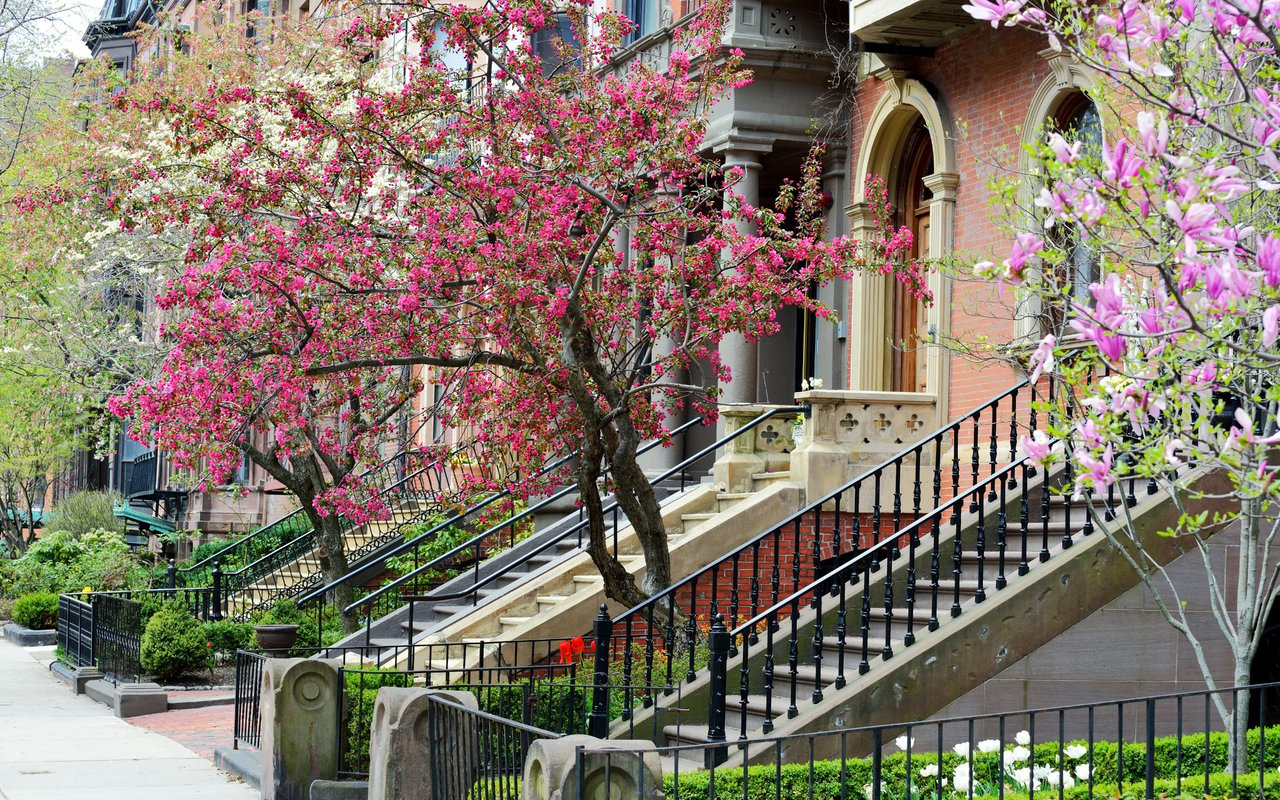
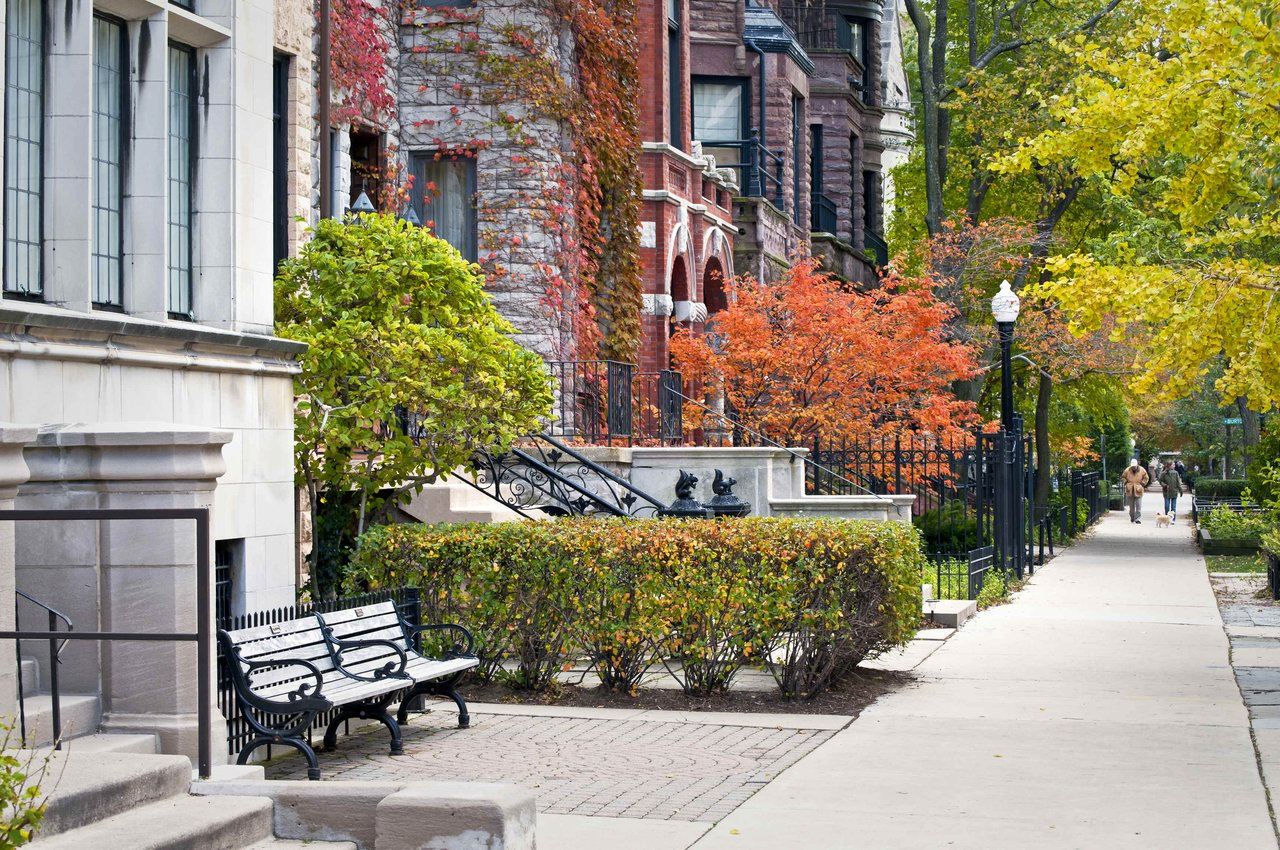
Wilmette sits about 16 miles north of downtown Chicago and stretches west from Lake Michigan, which gives it a suburban feel while keeping it tied to the city. The village describes itself as a community of strong neighborhoods with tree-lined streets, lakefront access, and a walkable village center. For many buyers, that combination feels like a meaningful shift in lifestyle without feeling disconnected.
Wilmette is also established in scale and amenities. The village reports about 28,170 residents and 10,679 households, along with 20 parks totaling 188.3 acres and 63 acres of lakefront parks. That matters if you are moving from a smaller city condo or apartment and want more room around you, both at home and in your everyday routine.
Commute options from Wilmette
One of the biggest questions in a city-to-suburb move is simple: will your commute still work? In Wilmette, the answer for many buyers is yes. The village has access to the Metra Union Pacific North Line, the CTA Purple Line at Linden, and Pace bus routes 213, 421, 422, and 423.
That transit mix makes Wilmette train-connected and commuter-friendly. Metra’s current timetable shows frequent weekday service, including early morning and evening departures, with weekend service in both directions as well. If staying connected to downtown Chicago matters to you, Wilmette offers several ways to do it.
For drivers, the village notes easy access to the Edens Expressway at Lake Avenue. Wilmette has also focused on improving walking and biking access to transit stations, business districts, parks, and other destinations. The village has received a renewed bronze Bicycle Friendly Community designation, which adds another layer of flexibility to how you get around.
There are also practical details worth knowing if you rely on park-and-ride routines. The village lists daily Metra parking fees of $2.60 at the Berman lot and $2.10 at the Poplar Avenue lots, while CTA parking at Linden is $4 per day. Those details may seem small, but they can shape your daily rhythm once you settle in.
Lakefront living in Wilmette
If lake access is part of your ideal move, Wilmette offers a very different kind of shoreline experience than many city neighborhoods. Gillson Park is the centerpiece, with 60 acres of lakefront property that include two swimming beaches, picnic areas, tennis courts, a fitness course, a tot lot, rentals for kayaks, stand-up paddleboards, and sailboats, plus a dog beach and seasonal ice rink.
The Wilmette Park District also maintains 314 acres of parks and 2.5 miles of Lake Michigan shoreline. That gives you more than just a nice view. It creates space for routines like morning walks, weekend beach time, outdoor recreation, and easy access to open air.
Wilmette’s lakefront is not only recreation-focused. Elmwood Dunes Preserve restores the village’s last natural bluff and dune ecosystem and provides habitat for migratory birds. That mix of active lakefront and protected shoreline gives Wilmette a more layered outdoor feel than buyers sometimes expect.
One thing to keep in mind is that the lakefront here can feel more managed than an urban waterfront park. The village notes seasonal parking restrictions in the Gillson Park and Langdon Park areas from Memorial Day to Labor Day. In other words, the amenities are strong, but access comes with some rules and planning during peak months.
Everyday life beyond the beach
A move to Wilmette is not only about the house. It is also about what your normal week feels like once the boxes are unpacked. Wilmette’s attractions include the Baha’i House of Worship, the Wilmette Theatre, the Wilmette History Museum, and the Wilmette French Market.
The French Market runs every Saturday from 8 a.m. to 1 p.m. just east of the Metra station, which adds a regular community rhythm to downtown. The Village Center Master Plan describes downtown Wilmette as a central business district built around retail, dining, and entertainment while preserving a small-town character. If you want a walkable core without full city intensity, that may feel like a good fit.
This is one of Wilmette’s key tradeoffs and strengths at the same time. You still get a defined town center and multiple destinations, but the scale is more compact than a dense Chicago neighborhood. For many buyers, that is exactly the point.
What homes look like in Wilmette
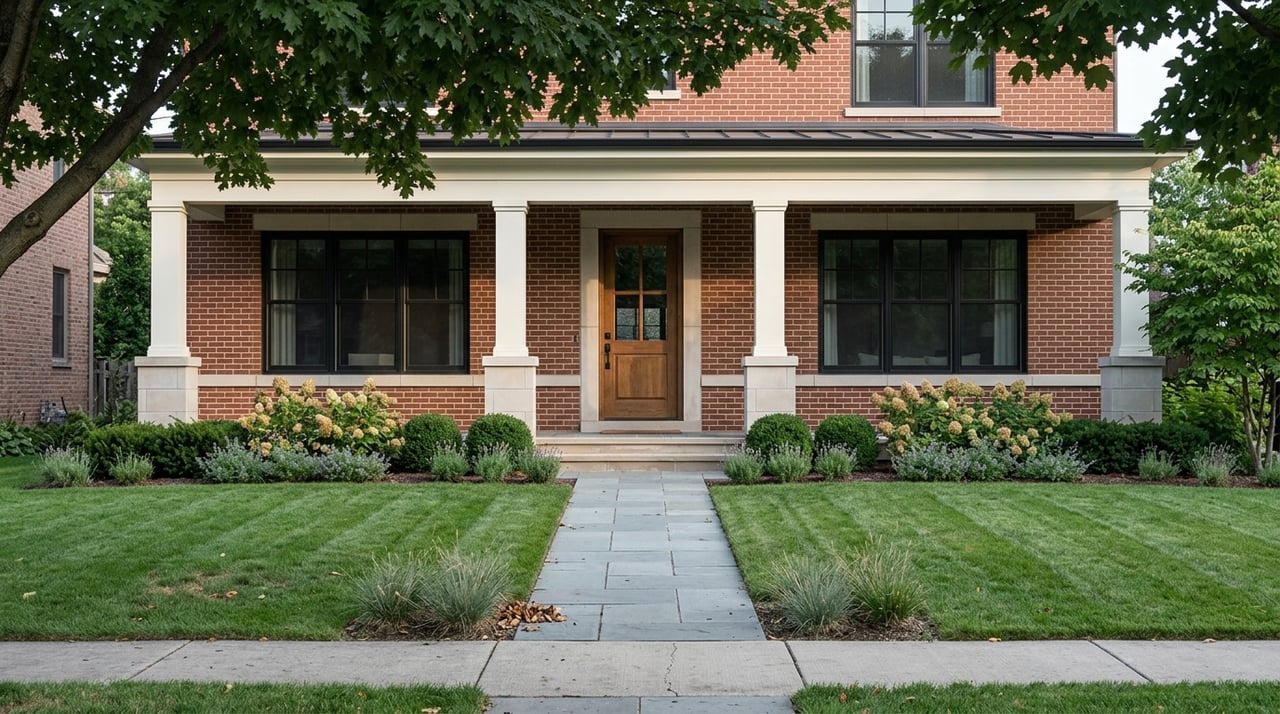
Housing in Wilmette is not one-size-fits-all. The village zoning code includes 21 zoning districts and sub-districts, including nine single-family R1 subdistricts. That helps explain why the housing stock can vary noticeably from one part of the village to another.
For buyers coming from Chicago, this often means you will see a broader mix of lot sizes and home formats than expected. Minimum lot areas in Wilmette’s residential districts range from 15,000 square feet in the R district to 5,000 square feet in R1-I. The code also allows some townhouse, stacked-flat, and multi-family forms in certain districts, so attached housing is part of the market too.
Several residential examples show how neighborhood-specific the housing pattern can be. R1-A has a minimum lot area of 8,400 square feet and 60 feet of width, while R1-B allows 6,000 square feet and 40 feet of width. R1-C, R1-H, and R1-I each have different standards as well, which is why two homes in Wilmette can offer very different space, yard size, and overall feel.
What pricing may mean for your move
If you are coming from the city, price is likely part of your decision. The MRED May 2026 update for Wilmette showed a median sales price of $1.35 million for all MLS properties and an average sales price of $1.56 million, with only 12 homes for sale at month end. That points to a market with limited inventory and a relatively high entry point overall.
At the same time, the attached single-family segment showed a median sales price of $381,835, with 6 homes for sale and an average market time of 42 days. Because that monthly sample is small, those numbers are best seen as directional. Still, they show that Wilmette may offer different entry paths depending on the type of home you want.
Census data supports that broader picture. Wilmette’s owner-occupied housing unit rate is 87.9%, and the median value of owner-occupied housing units is listed at $810,600. In practical terms, you may gain more interior and exterior space than you had in the city, but you should expect a stronger ownership-oriented market and a higher price floor than many Chicago condo buyers are used to.
Tradeoffs to think through carefully
Every city-to-suburb move comes with tradeoffs, and Wilmette is no exception. You may gain more land, more access to parks and the lakefront, and a home that better fits your next stage of life. You may also take on more maintenance, a different pace, and a downtown that is walkable but smaller in scale than what you know in the city.
That is why the move is often less about leaving Chicago behind and more about deciding which parts of city life you want to keep close. If easy train access, a compact village center, and lakefront amenities matter to you, Wilmette can check a lot of boxes. If you want nonstop density and a larger retail scene right outside your door, the adjustment may feel more noticeable.
How to decide if Wilmette fits you
The best way to think about Wilmette is to match the village to your real daily priorities. Ask yourself how often you need to be downtown, what kind of space you want at home, and whether lakefront access and parks would change your weekly routine in a meaningful way. The right move usually becomes clearer when you focus on how you actually live, not just on a wishlist.
It also helps to compare housing type, commute style, and neighborhood feel side by side. In Wilmette, one block may offer a different experience than another because of lot size, housing format, or proximity to transit and downtown. That is where local guidance can make your search much more efficient.
If you are considering a move from the city to Wilmette, working with a team that understands both Chicago and the North Shore can help you weigh the tradeoffs clearly and search with confidence. To talk through your options with a local, concierge-level approach, schedule a consultation with Cadence Realty.
FAQs
What is the commute like from Wilmette to Chicago?
- Wilmette has Metra Union Pacific North service, the CTA Purple Line at Linden, Pace bus routes, and access to the Edens Expressway, making it a commuter-friendly suburb for many Chicago-bound residents.
What is everyday life like in Wilmette?
- Everyday life in Wilmette includes a walkable village center, lakefront parks, beaches, local attractions, and a Saturday French Market, with a pace that is generally calmer and less dense than the city.
What types of homes can you find in Wilmette?
- Wilmette includes a mix of detached homes, attached housing, and some multi-family forms, with lot sizes and housing patterns that vary by zoning district and neighborhood.
Is Wilmette more expensive than many Chicago neighborhoods?
- Wilmette generally has a higher price floor than many Chicago condo markets, although attached homes may offer a lower entry point than larger detached properties.
Why do Chicago buyers consider moving to Wilmette?
- Many Chicago buyers look at Wilmette for more interior space, more outdoor space, lakefront access, parks, and strong transit connections without feeling too far from the city.