Is winter actually a smart time to buy in Andersonville? When the temps drop on Chicago’s North Side, listings thin out and so do casual shoppers, which can change your leverage and timing. If you are ready to move, winter can offer quieter showings, more negotiation room, and a clearer look at a home’s mechanicals. This guide breaks down the real pros and cons, plus what to check, how to negotiate, and how to plan your timeline so you can buy with confidence. Let’s dive in.
Winter market at a glance in Andersonville
Andersonville and nearby North Side neighborhoods follow a predictable pattern. New listings slow from late fall through February, and buyer activity dips as holidays and weather curb showings. The buyers who stay active tend to be serious, including relocations and investors.
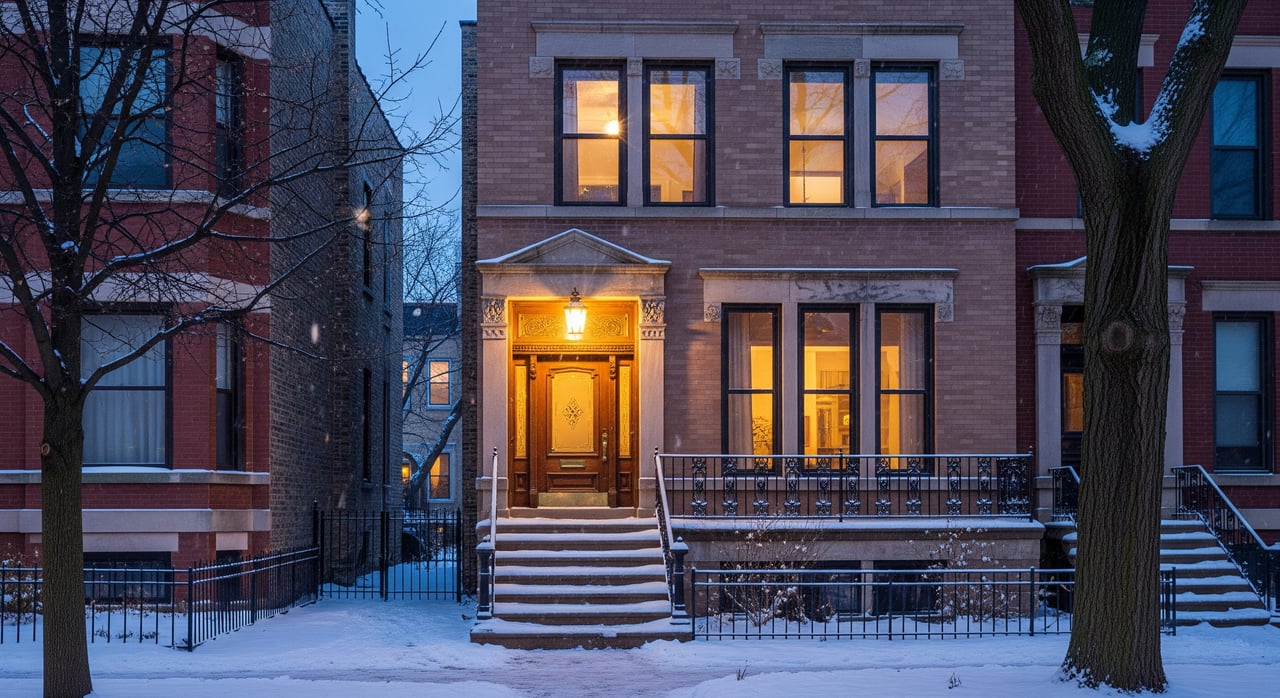
You will see more condos, vintage walk-ups, and small single-family homes. That mix means showings focus more on interiors, systems, and storage, and less on landscaping. In March, activity usually ramps up again as daylight and weather improve.
Pros of buying in winter
- Less competition and fewer bidding wars. With fewer active buyers, you are less likely to face multiple offers, especially at mid and lower price points.
- More room to negotiate. Sellers who list in winter are often motivated and may consider price reductions or credits for repairs or closing costs.
- Keep key protections. You can often retain inspection and appraisal contingencies without weakening your offer.
- See how systems perform. Cold weather reveals heating performance, drafts, and window integrity in real time.
- Flexible timelines can win. If you can be flexible on closing or possession, you can strengthen your offer and help the seller plan a winter move.
Cons and risks to plan around
- Fewer choices. Expect fewer new listings and a narrower set of options from November to February.
- Hidden exterior issues. Snow and ice can conceal roof wear, grading problems, or drainage issues that appear after thaw.
- Holiday timelines. Lender, title, and recording schedules can slow around holidays. Rate locks and deadlines require extra planning.
- Appraisal sensitivity. Fewer recent comparable sales can make valuations more conservative and require strong documentation.
- Moving logistics. Snow routes, permit parking, and weather can complicate move-in and truck access.
Inventory, DOM, and pricing expectations
New listing volume typically dips in winter, and you may see a higher share of price-reduction listings and motivated sellers. Days on market often run longer than in spring. Longer DOM can signal flexibility, but it can also point to pricing or presentation issues, so look closely at condition and history.
Winter usually brings fewer multiple-offer situations, which takes pressure off waiving contingencies. You may secure concessions or credits. Appraisals may rely on older comps or nearby micro-areas due to lower winter sales volume, so prepare for valuation discussions.
Negotiation playbook for North Side winter
Leverage improves when motivated sellers meet fewer active buyers. Ask for value in several places: price, closing cost credits, repair allowances, and timing that fits both sides. Keep your offer clean, documented, and realistic.
Preserve inspection and appraisal contingencies. In cold months, it is smart to shorten timelines rather than remove protections if you want to be competitive. Provide pre-approval, proof of funds, and a clear schedule to highlight certainty of close.
Inspection and due diligence checklist
- Heating systems. Review furnace or boiler records, thermostat operation, venting, and the age and service history of major components.
- Roof and attic. Snow can mask issues. Ask for roof age, warranties, and recent repairs, and consider a re-inspection if snow prevents a clear look.
- Water intrusion and grading. Plan language for a post-thaw check if needed. Early spring melt often reveals drainage problems.
- Pipes and insulation. Look for pipe insulation, basement waterproofing, and signs of past freezing.
- Tour at different times. Visit late afternoon or evening to assess lighting, heat performance, and street conditions.
- Utilities on. Ensure sellers keep heat and utilities on so you can test systems during showings and inspections.
- Use a Chicago-savvy inspector. Choose pros experienced with vintage boilers, masonry, and typical North Side building systems.
Financing, appraisal, and timeline tips
Coordinate early with your lender. Holiday and year-end schedules can add processing time, so build in buffer days and plan rate locks with care. If comps are thin, ask your agent to help assemble well-supported comparables and market context.
In low-inventory periods, lenders may look closely at value trends. Keep contingencies in place and have a backup plan if an appraisal comes in lower than expected.
Moving and parking logistics in winter
Plan for permit parking needs, snow routes, and truck access on narrow streets. Check building or HOA rules for move-in scheduling and any winter restrictions. Consider delayed possession to avoid moving during storms, and book movers early to secure workable dates.
City vs suburban corridor considerations
Andersonville’s condo-heavy stock shows less dramatic landscaping differences between seasons, but interior comfort and system performance matter more in winter. In nearby suburban corridors toward Arlington Heights and Naperville, single-family markets often track school calendars more closely, which can make winter sellers more motivated due to relocations or timing needs. Driveways, garages, and basement water management deserve extra attention during thaw.
If you are thinking of waiting for spring
- Pros of spring: More choices, easier curb appeal comparisons, and more recent comps that can streamline appraisals.
- Cons of spring: More buyers and a higher chance of bidding wars, which can raise prices and push you to waive protections.
Quick prep checklist for winter buyers
- Mortgage: Get pre-approved and confirm lender timelines around holidays. Plan your rate-lock strategy.
- Inspector and contractors: Line up inspection pros with Chicago winter experience and contacts for roof, boiler, or masonry work.
- Title and insurance: Verify holiday hours and begin quotes early. Some insurers request system details on older homes.
- Comparable research: Work with your agent to compile comps that reflect winter slowdowns and support your offer.
- Offer structure: Emphasize certainty of close, reasonable earnest money, a focused but realistic inspection period, and flexibility on dates.
Ready to explore Andersonville and nearby North Side options with a calm, well-planned winter strategy? Our boutique team pairs deep neighborhood fluency with tech-enabled tools to streamline your search, from curated listing alerts to virtual tours and guided negotiation. For concierge-level buyer representation centered on your goals, connect with Cadence Realty.
FAQs
Are Andersonville homes cheaper in winter?
- Not uniformly. You may find more motivated sellers and better negotiated terms, including credits or price reductions, due to lower competition.
Do winter appraisals in Chicago face more challenges?
- Yes. With fewer recent comps, valuations can be more conservative. Strong market context and reasonable pricing help manage this.
What inspections matter most for North Side winter purchases?
- Prioritize heating systems, roof and attic history, drainage, pipe insulation, and a thorough check with utilities on by a Chicago-experienced inspector.
How do holidays impact winter closings in Cook County?
- Lenders, title companies, and recording offices may have limited hours, which can lengthen timelines. Build in buffer days and time your rate lock.
Is it safer to keep contingencies during winter negotiations?
- Generally yes. Winter often lets you keep inspection and appraisal contingencies while staying competitive, which protects you from seasonal risks.