Love the character of old houses but worry about what’s behind the walls? In Oak Park, vintage homes offer rich architectural detail, walkable blocks, and a true sense of place. With the right plan, you can enjoy that charm while avoiding expensive surprises. This guide shows you how to identify styles, navigate permits and inspections, plan preservation‑minded upgrades, and choose smart financing so you can buy with confidence. Let’s dive in.
Why Oak Park vintage homes stand out
Oak Park is nationally known for turn‑of‑the‑century architecture, including many Prairie‑School designs and multiple recognized historic districts. You’ll see period features like broad porches, leaded glass, wood trim, and original brick or stucco. The Village’s Historic Preservation page is a helpful starting point if you’re researching a specific home’s history or district status. You can also explore local icons through the Frank Lloyd Wright Trust’s tours of the Home and Studio to better understand the area’s design heritage.
Architectural styles you’ll see
- Prairie School: strong horizontal lines, wide eaves, grouped windows, and natural materials.
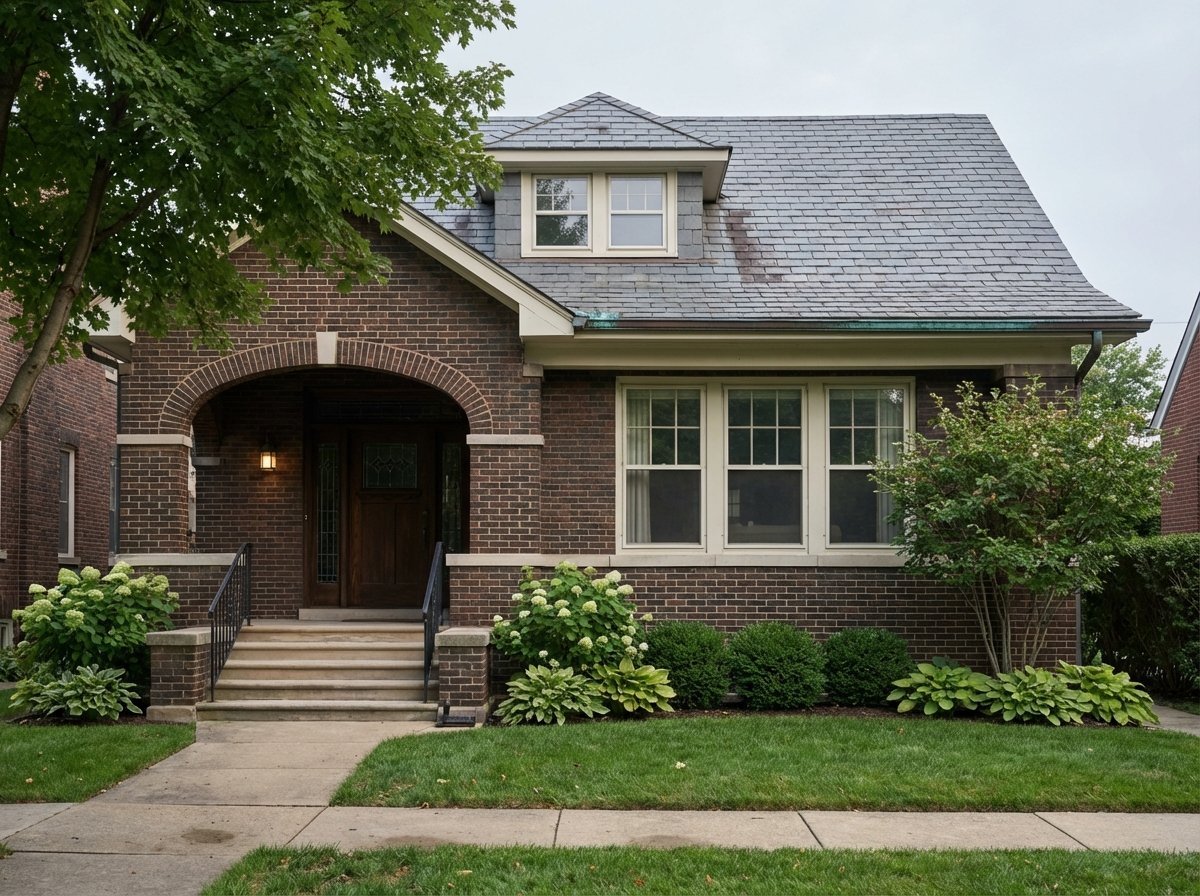
- Craftsman/Bungalow: low‑pitched roofs, deep porches with tapered columns, exposed rafters.
- American Foursquare: boxy two‑story forms, hipped roof with dormer, efficient layouts.
- Tudor Revival: steep gables, patterned brick or stone, half‑timber accents.
- Queen Anne and late‑Victorian: asymmetry, decorative trim, towers or bay windows.
Where to learn more locally
- Visit the Village’s Historic Preservation page for rules, design guidelines, and how historic status affects changes to a home.
- Take a Frank Lloyd Wright Home and Studio tour to see signature Prairie‑School details in context.
Historic status and permits
If a home is in an Oak Park historic district or is a designated landmark, the Historic Preservation Commission reviews exterior projects that need permits. That includes visible changes like porches, windows, additions, roofing that faces the street, new construction, and demolition. Routine maintenance that does not require a permit is generally not reviewed. The Village’s Architectural Review Guidelines follow the Secretary of the Interior’s Standards, which favor repair and compatible alterations.
What to check before you write an offer
- Ask if the property is a local landmark, in a local or national historic district, or a contributing resource.
- Review the Historic Preservation page to understand which exterior work triggers review.
- If you plan visible exterior work, factor review time and possible design adjustments into your renovation budget and timeline. Some proposals may require public hearings, and demolition requests can be more complex.
Plan for review and timing
Historic review can add time to permitting, especially for substantial exterior changes. Build a buffer into your closing and construction schedule, and note potential review steps in your offer’s contingency language. Early conversations with Village staff help you avoid redesigns later. When in doubt, ask what is likely to be approved and how long it may take.
Disclosures and safety in older homes
Homes built before 1978 fall under federal lead‑based paint disclosure rules. If you plan renovations that disturb painted surfaces, the EPA/HUD Renovation, Repair and Painting rule applies, so you should budget for certified testing and safe work practices. Asbestos can also be present in older materials, which is why sample testing by qualified pros is important before demolition.
Radon testing is standard
The EPA recommends testing every home for radon. If levels are at or above 4.0 pCi/L, mitigation is advised. A radon test is inexpensive peace of mind during your inspection window and can be addressed through credits or repairs.
Inspection game plan for vintage homes
A standard home inspection is the baseline, but older houses often need deeper evaluation. Plan for the following and lean on your general inspector to flag where specialists are needed.
- Full home inspection by an inspector familiar with older homes. Older houses can take longer to inspect and may cost more.
- Structural evaluation by an engineer if you see settlement, stair‑step cracks, sticking doors, or sagging floors.
- Sewer‑line camera scope to check for clay or cast‑iron lines and root intrusion.
- Chimney and fireplace inspection, including masonry and flue certification.
- Electrical evaluation for knob‑and‑tube, outdated panels, and service capacity.
- Plumbing check for galvanized or lead supply lines and cast‑iron drains, plus water‑quality testing if needed.
- Lead and asbestos testing when you plan renovations that disturb older materials.
- Radon test with a plan for mitigation if readings are high.
- Termite and pest inspection, especially where older framing and trees meet.
- Oil‑tank scan if the home once used oil heat, since abandoned tanks can be a liability.
Specialized inspections often uncover repairs worth several thousand dollars in older homes, which can inform negotiations or credits. This is why it pays to budget time and funds for follow‑up testing early.
Smart renovations that respect character
Start with preservation‑first
National preservation guidance recommends repairing and retrofitting character‑defining elements rather than replacing them. That can mean repairing historic wood windows and adding storm windows or interior panels, instead of full replacement. Use the Village Architectural Review Guidelines as your local reference and follow preservation standards that support energy and durability without erasing history.
Energy upgrades that fit older homes
Focus on improvements that deliver strong performance while protecting original materials:
- Air sealing and insulating the attic first, then sealing the basement or crawlspace and addressing moisture control.
- Upgrading HVAC to high‑efficiency systems or heat pumps, along with duct sealing.
- Adding high‑performance storm windows or interior panels to boost comfort and reduce drafts.
- Adding targeted insulation only where it will not trap moisture or damage historic fabric.
Full window replacement is often the most expensive route and, in historic districts, may be restricted. Retrofit and repair strategies usually protect character and can offer solid comfort gains.
Solar on historic homes
Many preservation programs allow solar if you minimize visibility from the public street, such as placing panels on rear or secondary roof slopes and using low‑profile equipment. Coordinate with Village staff early to confirm siting and design that meet review standards.
Renovation financing that works
If you plan to buy and renovate, certain loan products can roll the purchase and rehab into one mortgage.
- FHA 203(k). This FHA‑insured program offers limited and standard versions for different project sizes. It is often a fit for owner‑occupants who need flexible down payments, but it comes with specific contractor, scope, and inspection requirements.
- Fannie Mae HomeStyle Renovation. This conventional option funds a wide range of interior and exterior work. It typically allows higher loan amounts and conventional terms, but underwriting can be more stringent.
Freddie Mac CHOICERenovation is another conventional path to compare with your lender. For any program, expect to provide a detailed work plan, contractor bids, and to complete staged inspections before funds are released. Talk with lenders early so you can align your scope, budget, and timeline with program rules.
Value, resale, and tradeoffs
Research on historic designation and values is mixed but often positive, with many studies showing premiums that can range from single digits up to around 20 percent depending on designation type, building, and regulatory costs. Historic character can be a clear value driver for buyers who prize authenticity and design. At the same time, a protected exterior may add time to renovations and narrow your future buyer pool. The best approach is to buy a home that fits your long‑term plans, budget realistically for maintenance, and document improvements to support resale.
Buyer checklist and next steps
Use this quick plan to move from interest to confident purchase.
- Confirm designation status. Check whether the home is a local landmark, in a historic district, or a contributing resource, and review what exterior work triggers Historic Preservation Commission review.
- Build your inspection stack. Beyond a full home inspection, plan for a sewer scope, chimney inspection, structural engineer if needed, electrical and plumbing evaluations, lead and asbestos testing for planned work, radon testing, pest inspection, and an oil‑tank scan where relevant.
- Gather disclosures and records. Request all required seller disclosures, including lead‑based paint documentation for pre‑1978 homes, plus prior permits and repair invoices.
- Price your renovation plan. Meet lenders early to compare FHA 203(k) and HomeStyle Renovation options, and start collecting contractor bids to streamline underwriting.
- Prioritize energy first. Start with air sealing and attic insulation, then HVAC and storm‑window strategies that protect historic fabric. Use preservation standards as your guide.
- Ask about insurance. Older systems, such as knob‑and‑tube wiring or older roofs, can affect coverage or premiums. Clarify insurer requirements before closing.
- Coordinate early with the Village. If you plan exterior work in a historic district, speak with staff about likely approvals, timelines, and submittal expectations.
Ready to find your vintage Oak Park home?
If you want old‑house charm without the headaches, partner with a team that knows how to navigate inspections, permits, and preservation‑minded upgrades. We’ll help you evaluate true condition, build realistic budgets, and structure offers that protect your goals. Connect with the boutique, client‑first team at Cadence Realty to start your search and plan your next move.
FAQs
What permits are needed to replace windows on a historic Oak Park home?
- If the home is a local landmark or in a historic district, exterior changes visible from the street typically require review and approval. Check the Village’s Historic Preservation guidelines and confirm whether your specific window work needs a Certificate of Appropriateness or advisory review before you apply.
Which inspections are essential for a 1920s bungalow in Oak Park?
- Start with a full home inspection, then add a sewer scope, chimney inspection, structural engineer if there are settlement signs, electrical and plumbing evaluations, lead and asbestos testing if you plan renovations, a radon test, pest inspection, and an oil‑tank scan if relevant.
Can you add solar panels to a historic home in Oak Park?
- Often yes, if panels are sited to reduce visibility from the street, such as on rear or secondary roof slopes with low‑profile equipment. Coordinate with Village staff early to align the design with preservation guidelines and avoid delays.
What financing helps buy and renovate a vintage home?
- FHA 203(k) and Fannie Mae HomeStyle Renovation both combine purchase and rehab in one loan. FHA 203(k) can be easier for lower down payments, while HomeStyle often offers conventional terms and higher loan amounts. Your lender can help compare options and requirements.
How does historic designation affect resale value in Oak Park?
- Studies show mixed but generally positive effects on value, with premiums in many cases. Your resale depends on location, the type of designation, the quality of improvements, and how well the home’s character has been maintained, so document upgrades and keep work compatible with the original design.